






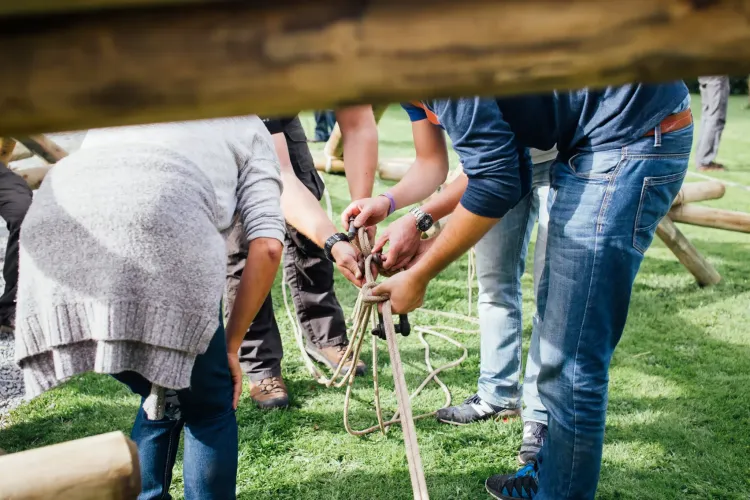
The solidarity and ecological team building strengthens team bonds while promoting responsible initiatives. This plan includes key steps: ecological awareness, selection and implementation of solidarity projects. The company’s commitment and the active participation of its members are priorities. Celebrating moments of success and tracking the impact allow for project evaluation, while the sustainability of the commitment ensures a continuous responsible action. By adopting this plan, companies enhance their team cohesion and have a positive impact on the environment and society.
Ready to Create Unforgettable Team Experiences?
Discover how we can help you plan retreats that your teams will truly remember.
1. Preparation stage
This step includes raising awareness of the importance of ecological responsibility and encouraging employees to identify a project idea in which they would like to get involved.
Selection Phase
During this phase, the team must choose a project that meets its expectations while considering the company’s values and objectives. The team can explore existing projects or create its own project. It is important that all stakeholders are actively involved in this decision-making process. External expert advice may also be required at this stage.
Implementation Phase
At this stage, the team defines the tasks and strategies needed for the successful implementation of the selected project. Regular work meetings between the team and managers are essential to the project’s success. The team can also benefit from the advice and support of experts in the field.
Monitoring Phase
This final stage involves regularly monitoring the impact of the project, both internally (within the company) and externally (on society). It is important to evaluate progress by measuring key indicators, such as the reduction of carbon emissions or waste reduction. Regular feedback sessions also ensure that all participants and team members remain engaged in this initiative.

2. Raising awareness of ecological responsibility
Presentation of Environmental Issues
Organize awareness sessions where you present major environmental challenges such as climate change, pollution, biodiversity loss, etc. Highlight the impacts of these issues on the planet and future generations.
Interventions by Environmental Experts
Invite environmental experts to lead conferences or workshops on specific topics related to ecological responsibility in business or associations. They can discuss subjects such as waste management, energy efficiency, sustainable practices, sustainable development, etc.
Integration of Ecological Activities into Daily Life
Encourage teams to adopt an ecological solidarity approach within the company. This can include setting up recycling programs, reducing energy consumption, using sustainable transportation, etc. Organize practical workshops to learn simple actions to implement.
Internal Communication
Establish internal communication channels dedicated to ecological awareness, such as a newsletter or an intranet event. Regularly share news, tips, and success stories related to ecological responsibility. Encourage teams to share their ideas and ecological initiatives.
The goal of this step is to create collective awareness on the importance of sharing ecological responsibility and to prepare the teams to engage in solidarity and ecological projects.
3. Selection and preparation of the solidarity project
Project Implementation
During this phase, each team member must clearly know their place and role in the implementation of the project. Regular meetings among team members and responsible collaborators are essential to track progress and adjust plans if necessary. It is also advisable to seek the opinion of an external expert whenever possible, to ensure the project is conducted responsibly.
Celebrate Achievements
Achievement of goals should be celebrated to motivate teams and demonstrate the company’s commitment to responsible initiatives and activities in social responsibility. Celebrations can include rewards for individual contributions or team achievements, or recognition from external parties such as local authorities or environmental associations and organizations. It is important to ensure that everyone on the team feels recognized and appreciated equally.
Tracking Progress
Regular monitoring of the project’s impact is crucial to measure its success and identify areas for improvement. This can be done by tracking key indicators, such as carbon emissions or waste reduction, or engaging with external stakeholders who can provide feedback on the project’s progress. Regular feedback sharing sessions between teams and the management team also help ensure everyone stays engaged with the initiative.
4. Implementation of the solidarity project
Durability of Commitment
The durability of commitment is essential for ensuring the long-term success of the plan. This involves allocating the necessary resources at each stage of the process, regularly monitoring team progress, and celebrating achievements to maintain team members’ motivation. Furthermore, by actively engaging with external stakeholders, the company can demonstrate its commitment to responsible corporate citizenship initiatives. This approach ensures that the company’s commitment to cooperative and environmental projects is perceived as durable and credible.
Create a Culture of Environmental Responsibility
Creating a culture of environmental responsibility within an organization is essential for achieving positive environmental outcomes. This requires team collaboration in identifying and selecting projects aligned with personal and company values. The implementation of the plan must be carried out responsibly, with regular progress tracking and the celebration of successes. Engagement with external stakeholders is also important. By following this structured approach and encouraging long-term action within teams, companies can ensure that their initiative will have a lasting impact on the ecological well-being of society.
Ready to Create Unforgettable Team Experiences?
Discover how we can help you plan retreats that your teams will truly remember.
5. Celebration of Achievements
The implementation of the solidarity and ecological plan motivates team members and strengthens their sense of belonging. Engagement with external stakeholders demonstrates the company’s responsibility. It is indeed an effective way to strengthen the team while having a positive impact. Proper resource management and regular monitoring ensure long-term success. By creating a spirit of ecological responsibility, companies can generate a lasting impact on people and the planet.
6. Monitoring and Sustaining Engagement
They are essential to ensure the medium and long-term success of a solidarity and ecological project. This involves regularly evaluating progress, measuring impact, integrating sustainable practices into internal policies, and staying engaged with external stakeholders. Recognizing successes and celebrating efforts are also important to maintain team engagement. By adopting these measures, companies can guarantee the sustainability and ongoing impact of their initiative.
Ready to organize your next retreat?
Discover how we can help you create memorable experiences for your teams.

Create lasting memories with your team in inspiring locations