






By 2026, Generation Z — born between 1997 and 2012 — makes up more than a quarter of the global workforce. These employees have radically different expectations from their predecessors when it comes to team events and corporate seminars. Genuinely engaging them requires understanding their values, rethinking your programme structure, and innovating in format. A practical guide to Gen Z-ready seminars.
Ready to Create Unforgettable Team Experiences?
Discover how we can help you plan retreats that your teams will truly remember.
Who Is Generation Z? Profile and Values at Work
Generation Z encompasses those born between 1997 and 2012. As the first true digital natives, they grew up with smartphones, social media, and instant access to information. Their defining traits at work:
- Authenticity above all: they instantly detect corporate theatre, greenwashing, and hollow team-building. They want the real thing.
- Meaning and impact: they commit to what matters — for the organisation, for society, and for their own development.
- Speed and short formats: accustomed to sub-60-second content (TikTok, Reels), they struggle with long PowerPoint presentations without interaction.
- Non-negotiable wellbeing: they set clear boundaries between professional and personal life. A seminar that encroaches on the weekend without reciprocity will be poorly received.
- Diversity and inclusion: they are acutely sensitive to representation, equity, and inclusion across all aspects of work.
What Gen Z Expects from a Seminar: 5 Key Demands
To genuinely engage Gen Z delegates at your seminar, anticipate these five essentials:
1. Co-design the programme. Do not hand them a pre-packaged agenda. Involve them in the design — a brief pre-event survey on which topics they want to explore generates buy-in before the day itself.
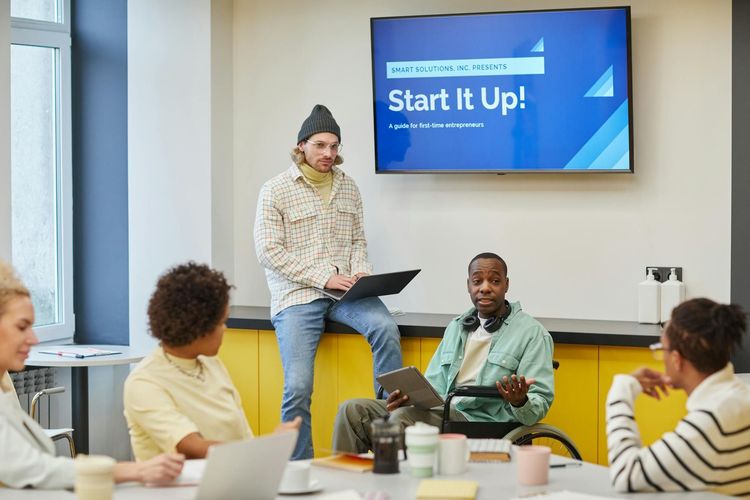
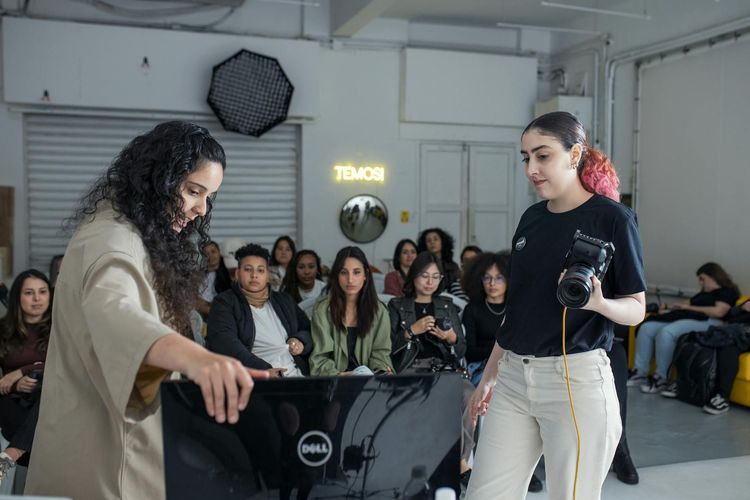
2. Short, interactive formats. Break sessions into blocks of 20–40 minutes maximum. Alternate between presentations, small-group workshops, rapid debates, and live polls. Participatory formats such as World Café, Fishbowl, or Design Thinking are particularly effective.
3. Genuine space to contribute. Gen Z will not tolerate passivity. Build in formats where everyone can share: collaborative murals, co-ideation workshops, 3-minute pitches by sub-groups.
4. Purpose and impact. Include at least one session dedicated to the company's mission, its environmental or social commitments, or each person's contribution to a broader collective project.
5. Valued informal time. Do not over-schedule. Mealtimes, free activities, and unstructured evenings are often the most memorable and the richest in authentic connection.
Formats and Activities That Work with Gen Z

Certain formats resonate particularly well with Gen Z expectations:
- Internal hackathon: 4–8 hours to solve a real company problem. Teams pitch their solutions to a jury. Engagement is at its highest.
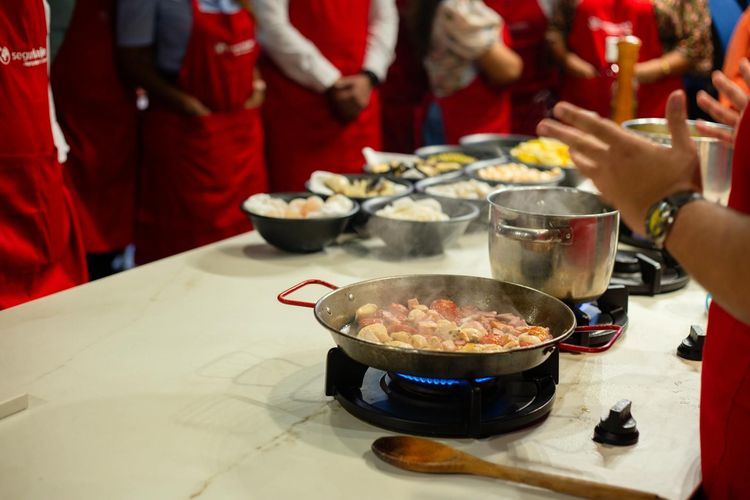
- Creative team building: street art, fusion cooking, bespoke escape room, podcast workshop. Originality is key — avoid activities perceived as dated.
- Nature seminar: leadership hiking workshop, outdoor bivouac, reflective campfire session. Gen Z responds strongly to immersive outdoor experiences.
- Open participatory format: Open Space Technology, BarCamp, or Unconference — where the programme is co-built on the morning of the event.
Explore our team building activities specifically suited to multigenerational teams, including Gen Z delegates.
Mistakes to Avoid at All Costs
Knowing what not to do is just as important as the best practices:
- Two-hour PowerPoint plenaries. Nothing loses Gen Z faster. Cap presentations at 20 slides and 30 minutes, with built-in interaction moments.
- Banning phones. Counterintuitive? Not really — banning phones signals a lack of trust. Instead, define clear usage rules (no social media during workshops, but note-taking is encouraged).
- Non-inclusive planning. Catering without vegan or allergy-friendly options, inaccessible activities, no recovery time — all negative signals to a generation highly attuned to individual consideration.
- No feedback loop. Run a quick debrief at the end of the seminar and share the results. Show that their input mattered.
Ready to Create Unforgettable Team Experiences?
Discover how we can help you plan retreats that your teams will truly remember.
Multigenerational Seminars: Bridging Gen Z, Millennials, and Boomers
In practice, most seminars bring together multiple generations. The key is finding the common denominator: a shared objective, mutual respect for each generation's contributions, and varied formats that give everyone a mode of expression.
Mixed intergenerational workshops — pairing a Gen Z participant with a senior colleague on the same challenge — are often the most revealing and the most energising. They break silos and surface complementary expertise in a way that no generation-specific format can replicate.
To design a bespoke seminar that genuinely engages all generations, browse our corporate seminar options and contact our team for personalised guidance on venue and format selection.
Ready to organize your next retreat?
Discover how we can help you create memorable experiences for your teams.

Create lasting memories with your team in inspiring locations