







Corporate culture

Remote Work Are Corporate Retreats Becoming Shorter and More Frequent?

Remote Work & Corporate Retreats Shorter, More Frequent in

Seminaire.com Team July 22, 2026 5 min read
Remote Work Are Corporate Retreats Becoming Shorter and More Frequent?

Widespread remote work has fundamentally changed employees’ relationship with the office—and, as a result, the nature and frequency of corporate retreats. By 2026, data shows a clear trend: companies are organizing shorter offsites (1–2 days instead of 3–5 in 2019) but holding them more often (3–4 times a year instead of 1–2). This shift has significant implications for event planners.

Ready to Create Unforgettable Team Experiences?

Discover how we can help you plan retreats that your teams will truly remember.

Data Behind the Transformation

According to the Management Observatory (2025), 68% of French companies with over 100 employees have adopted hybrid work with at least two days of remote work per week. The direct result: the number of corporate retreats increased by 34% between 2022 and 2025, but their average duration dropped from 2.8 days to 1.7 days. Frequency rose from 1.8 retreats per team per year to 3.1. The new approach: compensate for the loss of daily in-person connection with more regular, high-impact group moments.

The Rise of the Micro-Retreat

The micro-retreat (1 night, 36 hours) fits perfectly with the demands of hybrid work: it fits more easily into busy schedules, costs 40–50% less than a 3-day offsite while delivering comparable short-term team cohesion, and can be repeated more often without exhausting teams or budgets. Preferred destinations are within a 3-hour travel radius from headquarters, featuring intimate venues for 15 to 50 people.

New Expectations from Participants

Employees working partially or fully remotely have developed new expectations for corporate retreats. They want quality time—not just quantity. They’ll only dedicate time to the company if the program is worthwhile. Patience for dull or poorly organized offsites has dropped significantly. However, motivation to attend a well-designed retreat is even higher than for daily in-office employees, as these events are among their few real opportunities for connection. Seminaire.com supports HR teams in designing retreat formats tailored to the realities of hybrid work.

Ready to organize your next retreat?

Discover how we can help you create memorable experiences for your teams.

Create lasting memories with your team in inspiring locations
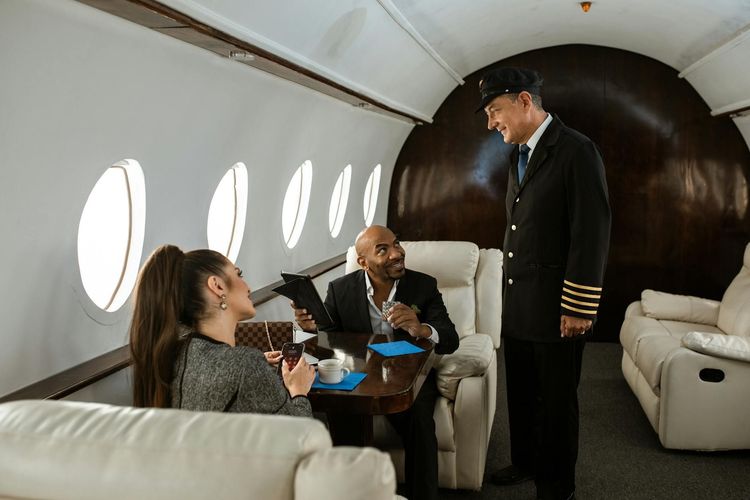
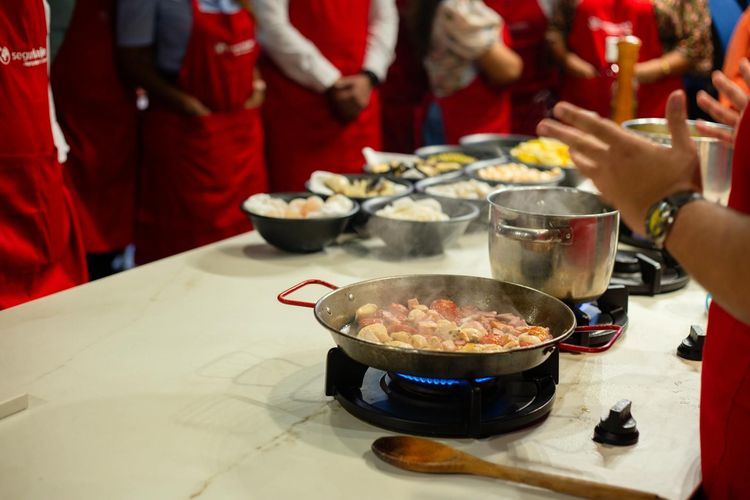
Create lasting memories with your team in inspiring locations

FAQ

Frequently Asked Questions: Remote Work Are Corporate Retreats Becoming Shorter and More Frequent?

Widespread remote work is significantly reshaping how corporate retreats are organized. As of 2026, companies are opting for shorter offsites—typically lasting one to two days—but holding them more frequently, usually three to four times per year.

This shift helps maintain team cohesion despite physical distance and fits better with flexible work schedules. Corporate retreats are becoming regular touchpoints, encouraging collaboration and motivation without taking employees away from their work for extended periods. For more insights on these evolving practices, visit our blog.

Shorter, more frequent corporate retreats offer several advantages for remote teams. They help strengthen social connections among colleagues, maintain a steady rhythm of creative collaboration, and make it easier to accommodate participants’ schedules.

By increasing opportunities to meet, teams enjoy regular follow-ups and a refreshed group dynamic. This approach also supports better budget and time management. To learn more about this trend, explore additional articles on our blog.

This new approach to corporate retreats is especially beneficial for organizations that have widely adopted remote work. Companies with dispersed or hybrid teams find that these shorter, regular offsites are an effective way to maintain cohesion and motivation.

Event planners, HR managers, and team leaders are particularly impacted, as they need to rethink how they plan and structure retreats to meet these evolving needs. For tailored advice, check out our dedicated resources on the blog.

To successfully organize short and regular corporate retreats, plan ahead and select a variety of themes for each session. Choose dynamic, interactive formats to maximize engagement within a limited timeframe.

  • Alternate between different destinations or meeting formats (in-person, hybrid).
  • Set clear objectives for each corporate trip.
  • Adjust logistics to suit the frequency (accessible venues, controlled budgets).

For inspiration or to compare suitable programs, visit our blog or contact our experts for personalized support.

To transition to shorter, more frequent corporate retreats, start by assessing your team’s needs and setting an annual schedule. Involve employees in choosing themes and formats to maximize engagement.

Next, identify partners or providers who can offer flexible solutions that fit this new pace. For further guidance, explore our practical articles on the blog and contact us for customized support.

CTA background

Ready to Plan Your Next Team Retreat?

Let our expert team help you create an unforgettable experience for your team. Get started in minutes.

Talk to our team