

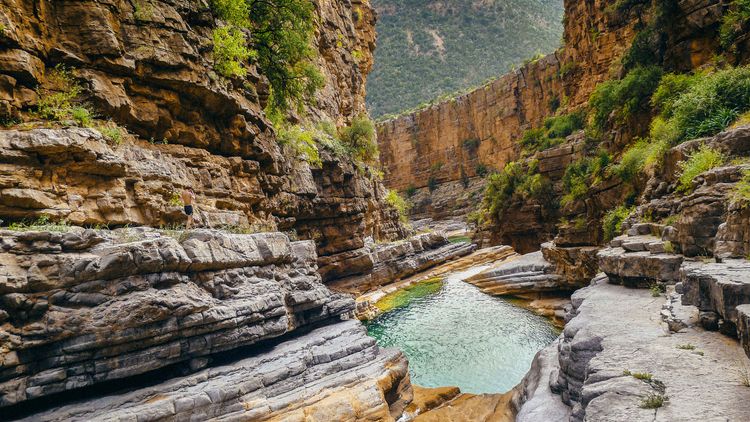



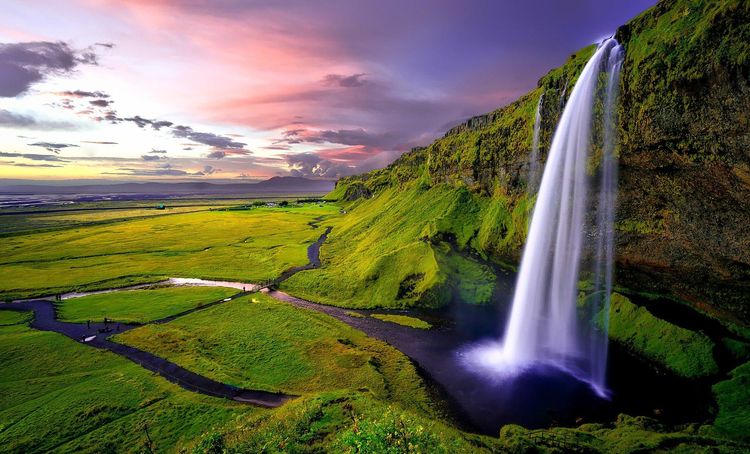

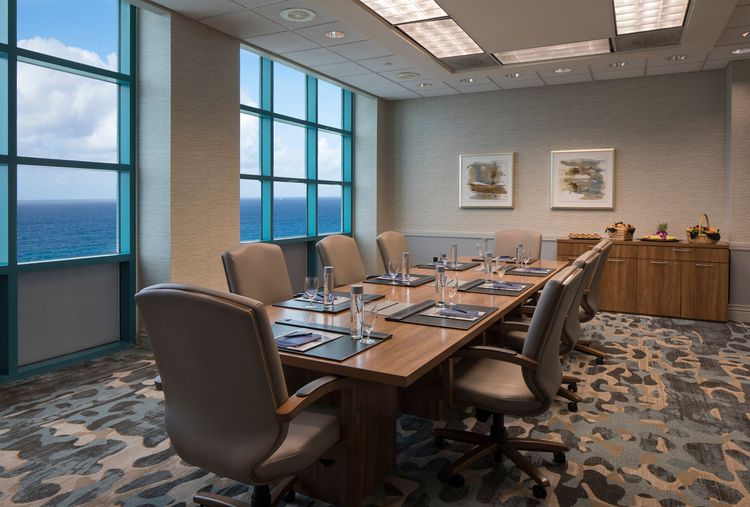
For an unforgettable offsite, choose the perfect setting for your next event. Opt for a location that breathes inspiration and dynamism, far from the usual routine. Imagine a seaside house or any other extraordinary place. This getaway offers much more than meetings: it strengthens bonds among colleagues and stimulates creativity. After fruitful strategic sessions, be surprised by carefully selected team building activities, crafted to create remarkable team synergy. Then, collectively assess the new ideas and goals of your offsite. We accompany you on this adventure, from planning to evaluation, to make this event a springboard for success for your team and your company. Let’s experience a memorable and fruitful journey together!
Ready to Create Unforgettable Team Experiences?
Discover how we can help you plan retreats that your teams will truly remember.
Choose the perfect setting for your off-site meeting.
The location of the event is a crucial factor in its success. The setting must be ideal. The event can take place in a city other than where your company is located. This will give participants the opportunity to visit the city after the corporate retreat and they will keep beautiful memories of it.
For example, for such an event, a seaside hotel would be an option to consider. Changing the environment will allow your employees to break from their usual routine and strengthen ties among colleagues. Your staff will feel at the center of attention and will feel involved in the success of your company. They will become more committed and motivated in their tasks.
2. Set goals and establish basic rules
Preparing for the event begins by defining its objectives. You must be clear about the goals of the offsite. During the event, you can ask participants to focus on goals such as the company's performance if you are at the end of the year.
Discussions can also address the opportunities and challenges that the company will face in the upcoming year. If you have a new market or a new project in mind, this is an opportunity for you to define strategic plans for future activities.
Working with your collaborators on the company's development strategy helps them feel valued, heard, and more useful. Thanks to the new, attractive, and especially unprecedented work environment you offer through this event, your collaborators will be more open to making suggestions.
3. Ask for anonymous suggestions from your staff
In a company, not everyone is comfortable expressing themselves freely. The offsite is therefore an opportunity to allow all company members to put forward ideas or make suggestions. To facilitate everyone's participation, it is advisable to use an external facilitator such as a coach or personal trainer. They can easily request feedback from participants.
4. Plan team building activities during your offsite
Team building activities are used to tighten bonds among colleagues to improve the atmosphere and create a more serene work environment. They also allow teams to develop skills in communication, planning, problem-solving, or risk management.
In this regard, choosing activities should be done carefully. Among the team building activities, you have those that act on the dynamism of your employees and those that promote personal development of participants.
Activities such as an Escape Game or the completion of a charitable project also strengthen team spirit and share values. These different activities can be customized according to the needs and objectives of your company.
5. Evaluate the success of the event and plan a follow-up
To evaluate the success of the event, it is primarily necessary to implement the suggestions made by your collaborators and the new resolutions defined during the offsite. Keep an eye on the small changes after the event.
Regarding the follow-up, set goals and establish brainstorming sessions. Organize other offsites 3 to 6 months after the first. This will allow you to maintain and nurture the new development strategies defined during the first offsite. You may even make modifications or adjustments if necessary.
In summary, the offsite is an opportunity to highlight the work of your entire team, to reward the most deserving, and to encourage others to give their best.
Moreover, if you want to organize an offsite for your collaborators and have no idea how to proceed, do not panic. Our professional team will organize the best event possible. Trust us and experience something new. See you soon!
Ready to organize your next retreat?
Discover how we can help you create memorable experiences for your teams.

Create lasting memories with your team in inspiring locations