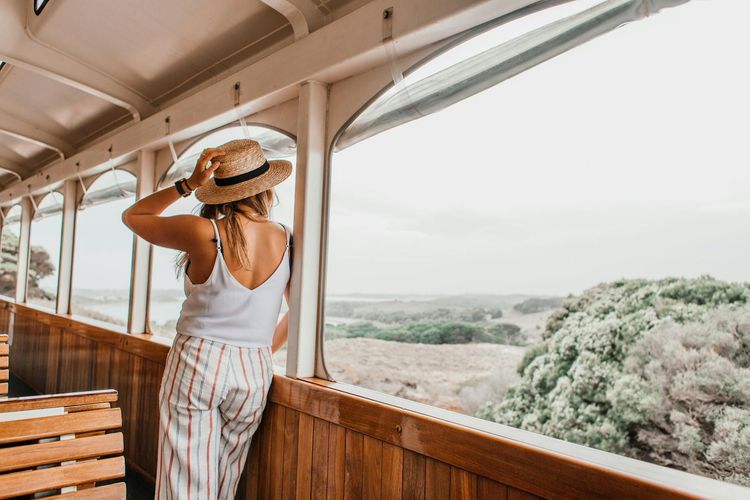

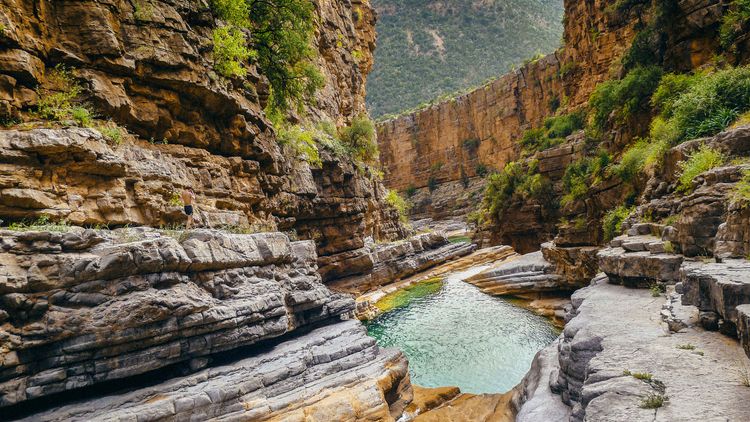
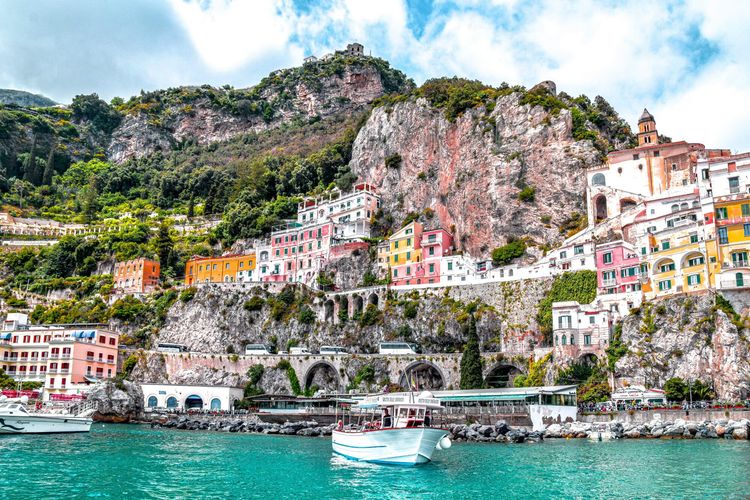


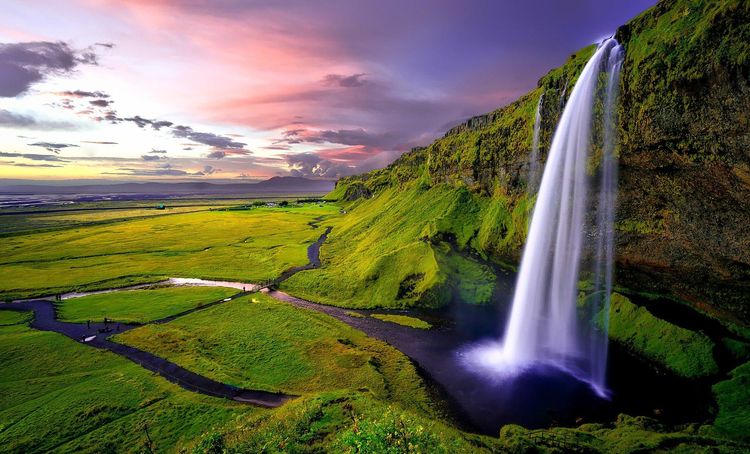

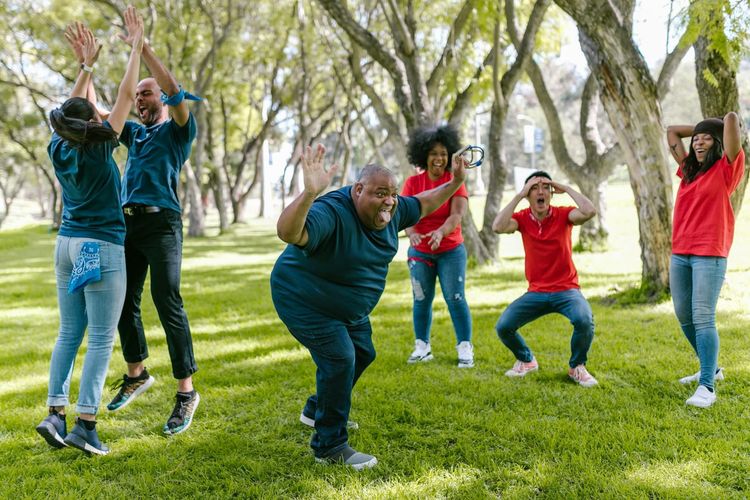
Forests, mountains, coastlines—nature is more than just a backdrop for corporate retreats. It’s a powerful learning environment that enhances focus, creativity, risk-taking, and social connection in ways air-conditioned meeting rooms simply can’t. In 2026, outdoor training is seeing unprecedented growth. Here’s why—and how to make the most of it.
Ready to Create Unforgettable Team Experiences?
Discover how we can help you plan retreats that your teams will truly remember.
The Science Behind Outdoor Learning
🧠 Key Fact
A University of Michigan study found that 90 minutes of walking in nature reduces brain activity linked to mental rumination by 45%. Calmer participants learn better and collaborate more effectively.
- 🌿 Restorative Attention — Nature restores attention depleted by digital environments. A group arriving from a forest walk is structurally more receptive than one coming from a Zoom meeting.
- 💡 Enhanced Creativity — Studies (Stanford, 2014) show walking increases creativity by 81%—and this effect persists even after returning indoors.
- 🤝 Faster Trust Building — Facing a physical challenge together (climbing, river crossing, orienteering) builds interpersonal trust 3 to 5 times faster than a typical work session.
- 📵 Beneficial Disconnection — Without notifications or screens, participants truly listen to each other—a rare luxury in professional settings.
Most Impactful Outdoor Training Formats
🌲 Learning by Doing in the Forest:
Skills workshops (leadership, communication, stress management) held deep in the forest using natural metaphors—building a shelter = organizing a project, overcoming an obstacle = managing conflict. Nature provides a rich experiential vocabulary.
🏔️ Mindfulness Retreat in the Mountains:
Combines hiking, mindfulness meditation, and short work sessions at the summit or in a mountain lodge. Especially effective for teams under pressure or experiencing burnout.
🌊 Survival and Leadership Program:
Inspired by military leadership training, adapted for corporate groups: navigation, first aid, and real-world uncertainty management. Strong impact on decision-making and resilience.
🌱 Permaculture and Collective Intelligence:
Work in a permaculture garden, learn ecosystem principles, and apply them to organizational dynamics. A powerful metaphor for teams undergoing transformation.
How to Design Effective Outdoor Training
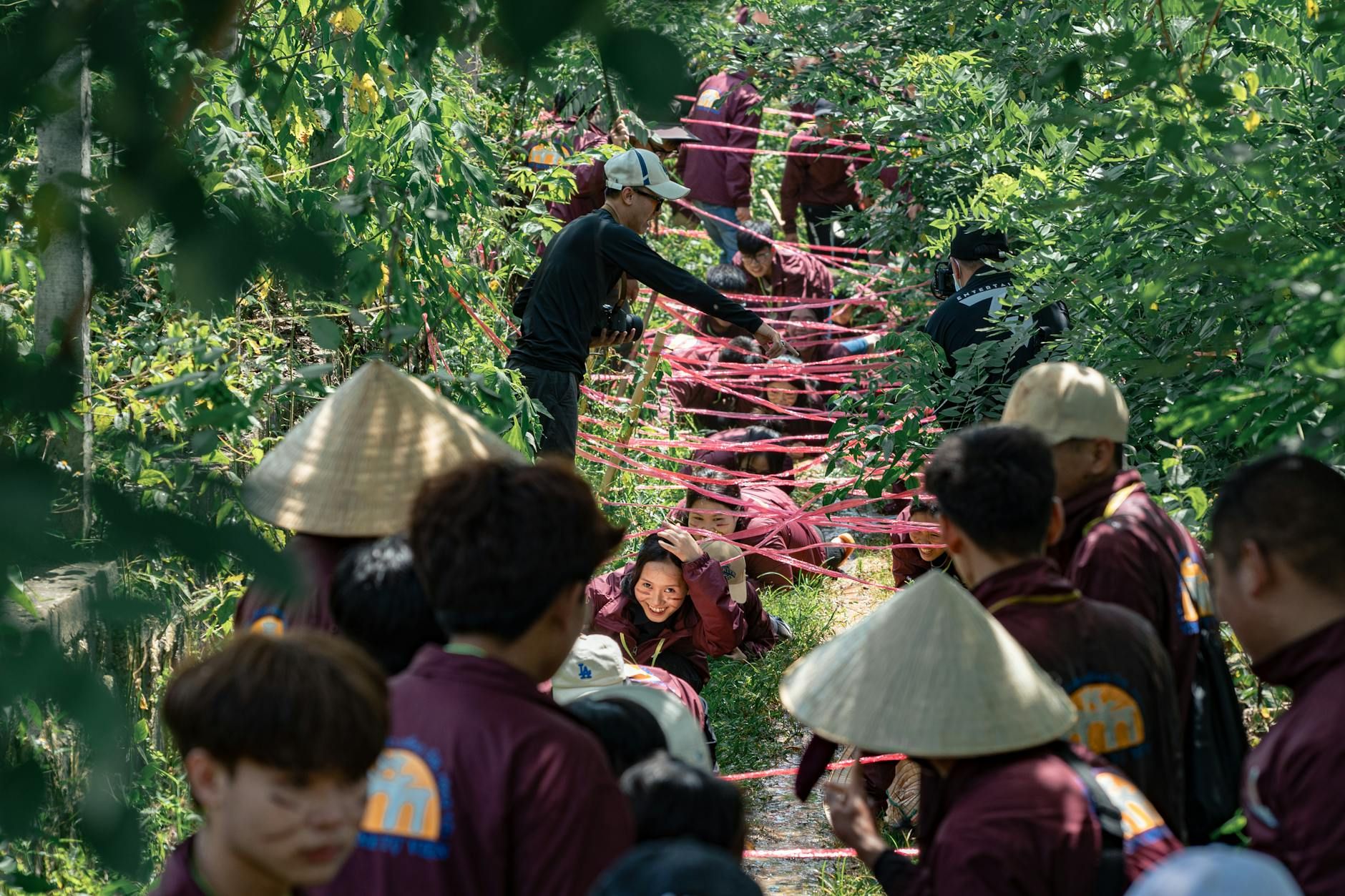
- 🎯 Start with Learning Objectives — Nature is a medium, not the end goal. Define the skill you want to develop first, then select the outdoor activity that best supports it.
- 🧑🏫 Specialized Facilitator — A good outdoor trainer combines expertise in experiential learning with deep knowledge of the environment. They are not just a sports instructor—they are an educator.
- 🔄 Structured Debrief — Outdoor experiences should be followed by structured reflection—first individually, then in small groups, then as a whole. This is where real learning happens.
- 🌤️ Weather Contingency Plan — No serious outdoor training is planned without a weather backup. Unpredictable weather can be a learning opportunity—dangerous weather is a risk to avoid.
To find destinations offering outdoor training, explore our nature offsite programs in Normandy, the Basque Country, or Alsace.
❓ Frequently Asked Questions
Is outdoor training suitable for urban participants who dislike sports?
Yes, as long as activities are well tailored. Outdoor learning doesn’t mean intense physical effort—a strategic discussion in a meadow, a forest walk, or a gardening workshop are accessible to all.
How do you address participants’ reluctance toward outdoor formats?
Communicate early that this is not a competitive sports activity. Offer alternatives for those with limited mobility. Remind everyone that meeting rooms are an acquired discomfort, not the natural norm.
What is the budget for quality outdoor training?
Expect €150–400 per participant for a day of outdoor training with an experienced facilitator. Nature-based accommodations add €80–200 per person per night.
Ready to organize your next retreat?
Discover how we can help you create memorable experiences for your teams.

Create lasting memories with your team in inspiring locations