






Corporate culture

The Impact of Immersive Technologies (VR/AR) on Corporate Seminars in 2026

How VR/AR Are Transforming Corporate Seminars in 2026

Seminaire.com Team July 22, 2026 6 min read
The Impact of Immersive Technologies (VR/AR) on Corporate Seminars in 2026

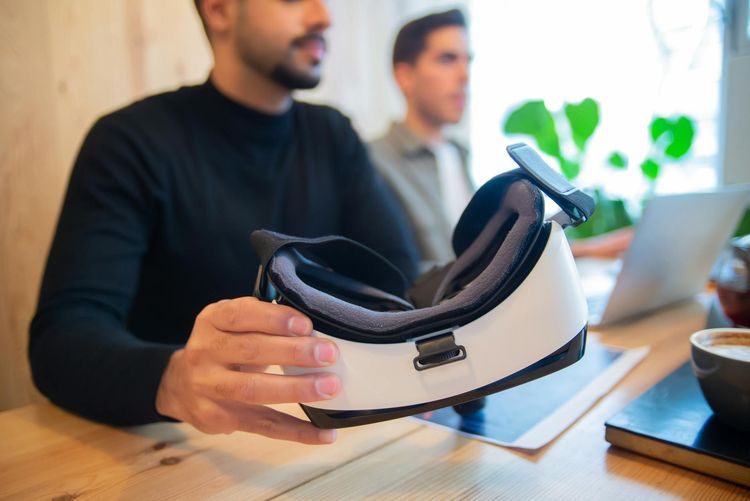
Virtual and augmented reality have moved from the laboratory to the seminar room. In 2026, companies of all sizes use these technologies to train, engage and surprise their teams at internal events. This guide covers concrete applications and measurable results.

Ready to Create Unforgettable Team Experiences?

Discover how we can help you plan retreats that your teams will truly remember.

VR in Training: Proven Results

PwC (2023) compared classroom instruction, e-learning and VR on the same content. VR results: +275% confidence in applying skills, 3.75× more cost-effective at scale, 4× better retention than e-learning. These figures explain accelerated adoption in high-stakes sectors: industrial safety, medicine, finance.

AR in Seminars: Concrete Use Cases

AR enables complex data to be visualised overlaid on the physical environment. In a strategy seminar: geographic markets on a holographic world map, real-time decision impact simulation, conflict management training with AR avatars. Entry cost 2026: €2,000-€15,000 depending on complexity.

Success Conditions

Main mistake: choosing technology before the pedagogical objective. Key conditions: (1) test with 5-10 pilot users, (2) dedicated technician on site during the seminar, (3) integrate technology into the pedagogical flow — not as an out-of-context gimmick. Seminaire.com connects you with specialist VR/AR event providers.

Ready to organize your next retreat?

Discover how we can help you create memorable experiences for your teams.

Create lasting memories with your team in inspiring locations


Create lasting memories with your team in inspiring locations

FAQ

Frequently Asked Questions: The Impact of Immersive Technologies (VR/AR) on Corporate Seminars in 2026

In 2026, virtual reality (VR) and augmented reality (AR) technologies are revolutionizing the way corporate seminars are conducted. These immersive tools allow companies to move beyond traditional presentations, offering interactive and engaging experiences for participants.

By integrating VR/AR, organizations can simulate real-world scenarios, enhance training sessions, and provide memorable team-building activities. The article details concrete applications and measurable outcomes, showcasing how these technologies lead to improved knowledge retention and higher engagement at internal events.

For more insights into how digital advancements are impacting corporate events, explore our latest resources on the blog index or consider reviewing related seminar planning guides for practical implementation tips.

Immersive technologies like VR and AR offer several advantages for internal company events. They create dynamic learning environments, making training more effective and enjoyable for employees.

Some notable benefits include:

  • Enhanced participant engagement and focus
  • Realistic practice scenarios for skill development
  • Innovative ways to present complex information
  • Opportunities for interactive teamwork activities
These improvements contribute to measurable results, such as better retention rates and increased motivation among team members.

To see more examples and case studies, visit our blog section for articles on technology-driven event strategies.

Any organization aiming to boost engagement, learning, or innovation at their internal events should consider integrating VR/AR. This includes companies of all sizes, from startups to large enterprises, especially those focused on continuous employee development and effective team communication.

VR and AR are particularly valuable for businesses that prioritize hands-on training, remote collaboration, or want to differentiate their seminars in a competitive landscape. The technology is accessible and adaptable, making it suitable for various industries and event formats.

If you’re exploring whether immersive solutions are right for your next seminar, browse our blog for more guidance or reach out to our event planning team for tailored advice.

Companies leveraging VR/AR in seminars can expect concrete, measurable outcomes such as increased knowledge retention, improved participant satisfaction, and greater team cohesion. The article highlights real-world examples where immersive technologies have led to tangible improvements in employee learning and event engagement.

Key outcomes include:

  • Higher training effectiveness and recall
  • More active participation during sessions
  • Positive feedback on event innovation
These results can be tracked using post-event surveys and performance assessments, helping organizations justify investments in immersive tools.

For more on evaluating seminar success, check out related posts in our blog archive.

To plan an immersive seminar utilizing VR or AR, start by identifying your event objectives and the types of experiences that will best support your goals. Assess the technical requirements, such as hardware, software, and participant readiness, to ensure a smooth rollout.

Consider collaborating with experienced partners or consultants who specialize in immersive event technologies. Review case studies and best practices to select the right applications for your audience and budget. This article provides a foundation for understanding the impact and practical uses of VR/AR in seminars.

For further planning resources or to connect with experts, explore our blog or contact our team for personalized support.

CTA background

Ready to Plan Your Next Team Retreat?

Let our expert team help you create an unforgettable experience for your team. Get started in minutes.

Talk to our team