






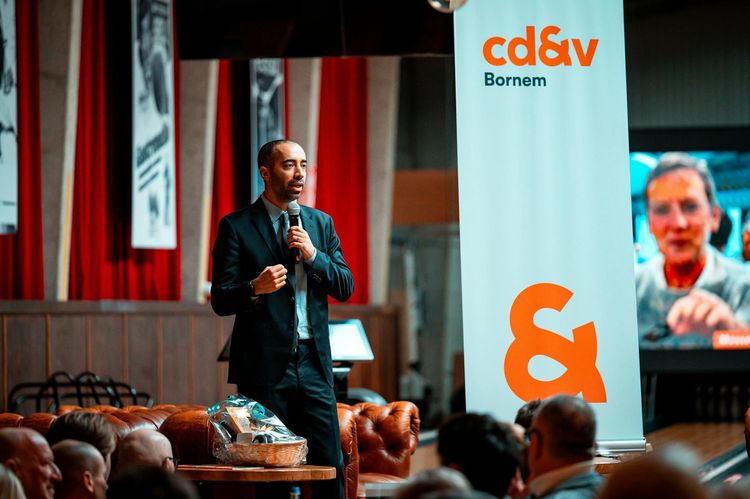
A talented speaker who is poorly prepared can jeopardize your entire corporate retreat. Briefing your speakers is one of the most underrated steps in event planning.
Ready to Create Unforgettable Team Experiences?
Discover how we can help you plan retreats that your teams will truly remember.
Why Briefing Is as Crucial as Choosing the Right Speaker
📊 Key Statistic
According to EventMB (2024), 63% of organizers have been disappointed by a speaker—and in 71% of those cases, the issue was insufficient briefing, not lack of skill.
- 🎯 Alignment with Objectives — A speaker unaware of the day’s goals may deliver great content that misses the mark.
- 🎭 Appropriate Tone and Approach — A presenter used to large auditoriums can unsettle a group of 20 in a workshop setting.
- 🔗 Maintaining Continuity — When multiple speakers follow one another, each must know what was previously covered to ensure a coherent learning experience.
- ⏱️ Sticking to Schedule — Overruns create a domino effect. A precise briefing on timing prevents 80% of delays.
The 7 Key Elements of a Complete Speaker Briefing
| Element | Content | Why It Matters |
|---|---|---|
| 1. Company Context | Industry, size, culture, current challenges | Helps tailor examples to your audience |
| 2. Audience Profile | Roles, seniority, nationalities, ages | Adjusts content level and references |
| 3. Session Objective | What participants should think/do/feel by the end | Provides clear learning direction |
| 4. Specific Format | Talk, workshop, panel, keynote + Q&A | Prepares for the right type of interaction |
| 5. Exact Timing | Start time, duration, strict constraints | Prevents schedule overruns |
| 6. Topics to Avoid | Internal tensions, sensitive issues, named individuals | Prevents discomfort or controversy |
| 7. Technical Needs | Slides, microphone, lectern, water, connectivity, video | Ensures smooth delivery on the day |
Speaker Briefing Process: Timeline and Tools

- 📅 D-30: First Contact — Send the complete written briefing.
- 📝 D-15: Content Validation — Request a plan or summary of the presentation.
- 📞 D-7: Preparation Call — 30 minutes to adjust and answer questions.
- ✅ D-1: Logistics Confirmation — Arrival time, on-site contact, prep space.
- 🎬 Event Day: Welcome — 5 to 10 minutes before the session to cover last points.
❓ Frequently Asked Questions
Should internal and external speakers get different briefings?
Yes. Internal speakers know the context but may lack pedagogical perspective. External speakers are skilled educators but may not know the company background.
What if a speaker doesn’t follow the briefing on the day?
Appoint a moderator with authority to discreetly intervene (visual cue, time card).
Can a briefing be too detailed?
No—but it can be sent too early. Share context in advance and operational details (timing, technical) no later than D-7.
Ready to organize your next retreat?
Discover how we can help you create memorable experiences for your teams.

Create lasting memories with your team in inspiring locations