




Corporate culture

Graphic Facilitation at Corporate Seminars Turning Ideas Into Memorable Images

Corporate Seminars The Power of Graphic Facilitation

Seminaire.com Team July 16, 2026 10 min read
Graphic Facilitation at Corporate Seminars Turning Ideas Into Memorable Images

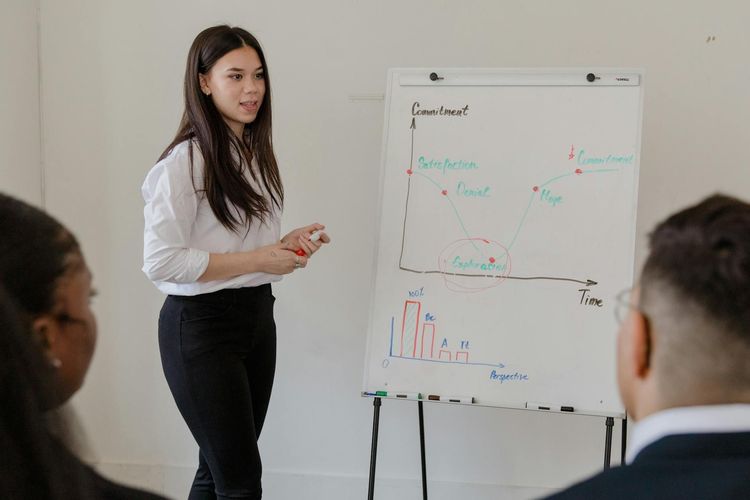
Imagine that at the end of your seminar, a large visual mural synthesises the day’s exchanges in images, icons and keywords. Participants leave with a unique, memorable, shareable visual deliverable. That is the promise of graphic facilitation.

Ready to Create Unforgettable Team Experiences?

Discover how we can help you plan retreats that your teams will truly remember.

What Is Graphic Facilitation and Why Does It Work?

🧠 The power of visual

65 % of humans are primarily visual learners (3M Corporation). Information paired with an image is retained 6 times longer than text alone. Graphic facilitation exploits this universal cognitive bias.

  • 🎨 Real-time sketchnoting — A graphic facilitator draws and synthesises exchanges live, on a large support visible to all.
  • 🗺️ Collective mind mapping — Building a giant collective mind map that links ideas and reveals invisible connections.
  • 📊 Summary infographics — Transforming seminar conclusions into printable, shareable infographics.
  • 🎬 Video scribing — Animated video synthesising the seminar’s key messages — powerful for post-event communication.

The Most Effective Use Cases at Seminars


Seminar typeGraphic facilitation valueRecommended format
Strategy seminarVisualise the vision and roadmap memorablyLive mural + PDF poster
Cohesion seminarCapture shared commitments and valuesMural co-created by delegates
TrainingSummarise pedagogical content in memorable visualsSketchnotes per module + final summary
Innovation seminarMap the idea ecosystem and prototypesGiant mind map + innovation journey
Conference/KeynoteCapture the speaker’s key messagesLive sketchnote projected in real time

How to Integrate a Graphic Facilitator Into Your Seminar
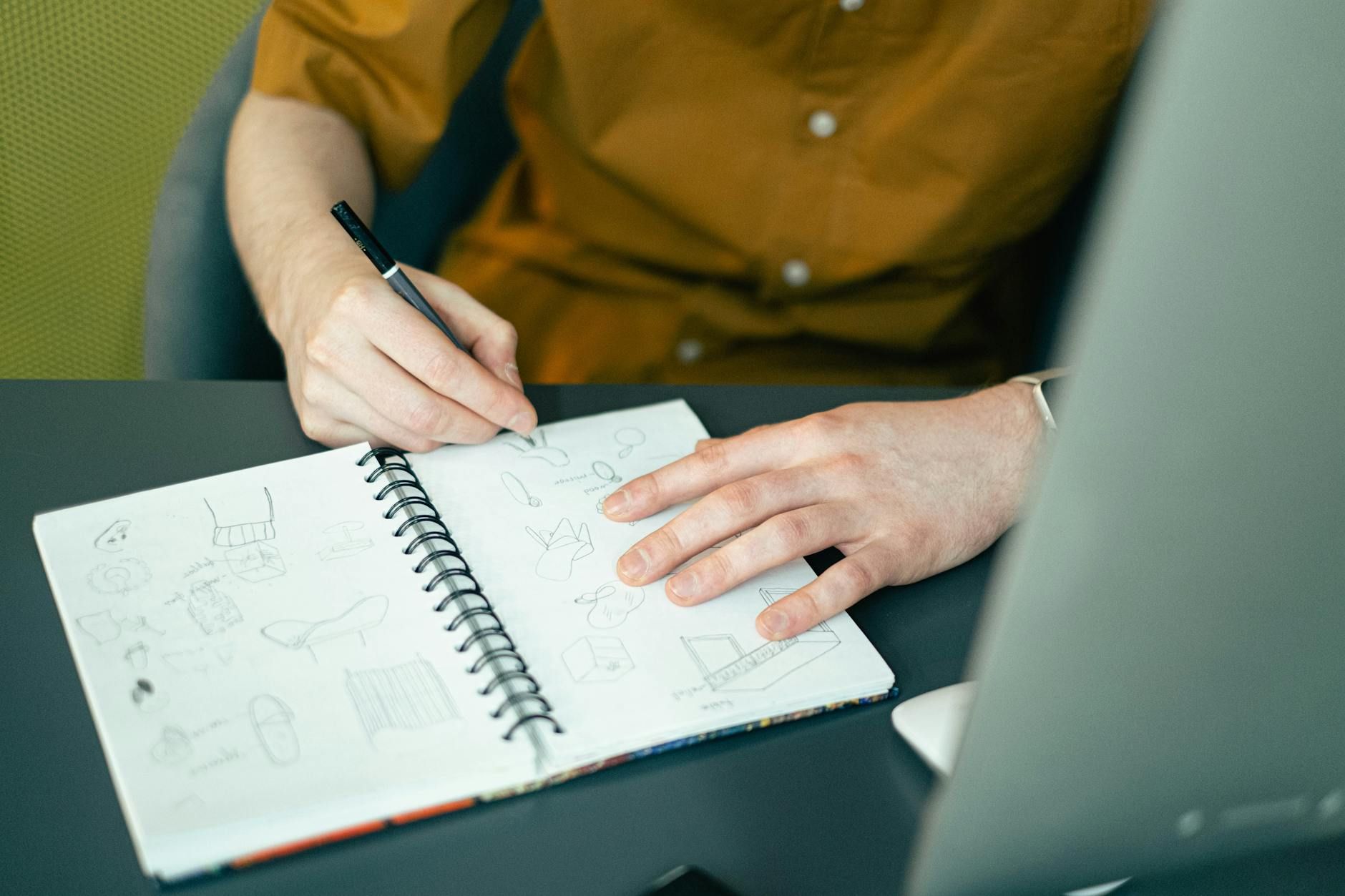
Close-up of a designer sketching ideas in a spiral notebook at a desk, highlighting creativity.
  • 📋 Upfront brief — Share the programme, objectives and key themes with the facilitator 2–3 weeks before.
  • 📐 Materials and space — Plan space for a 2–3m wall or dedicated work tables. Large paper, Neuland markers and Posca pens are standard.
  • 👁️ Visibility during the seminar — The mural must be visible to all in real time — projected or positioned on a central wall.
  • 📸 Post-seminar valorisation — Photograph the mural in high resolution, convert to PDF or printable poster. A timelapse video is a powerful communication asset.

❓ Frequently Asked Questions


How much does a graphic facilitator cost for a seminar?

Between £800 and £3,000 for a day depending on experience and deliverable type. Typically includes the live mural, high-resolution photos and a printable PDF.


Do you need to be able to draw to do in-house graphic facilitation?

No — short courses (2–3 days) allow anyone to learn the basics of sketchnoting. The goal is not artistic: clarity of synthesis is what counts.


Is graphic facilitation suited to online seminars?

Yes — graphics tablets and tools like Miro, Mural or Procreate allow real-time remote graphic facilitation. Impact is slightly reduced vs in-person but remains very significant.

Ready to organize your next retreat?

Discover how we can help you create memorable experiences for your teams.

Create lasting memories with your team in inspiring locations
Create lasting memories with your team in inspiring locations

FAQ

Frequently Asked Questions: Graphic Facilitation at Corporate Seminars Turning Ideas Into Memorable Images

Graphic facilitation is a dynamic technique where a facilitator captures key seminar discussions, ideas, and exchanges in real-time using visual elements such as images, icons, and keywords. This process results in a large visual mural that synthesises the day’s content into a memorable and shareable deliverable.

This approach can significantly enhance corporate seminars by making abstract concepts tangible and engaging, helping participants better retain and revisit the core messages. The final mural also serves as a unique summary that can be distributed or displayed post-event, reinforcing learning outcomes and team connection.

If you’re interested in other innovative seminar techniques, explore our other articles at the blog index for more inspiration and planning tips.

Graphic facilitation is especially valuable for organisers and participants of corporate seminars who want to boost engagement, creativity, and retention. Teams working on complex topics, strategy sessions, or innovation workshops often see the greatest benefits, as visual synthesis helps clarify and anchor key ideas.

Decision-makers, facilitators, and HR professionals looking to create a more interactive and memorable seminar experience will find graphic facilitation particularly impactful. It encourages active participation and ensures that every voice and idea is visually acknowledged.

To see how this technique fits into broader event strategies, browse our latest insights at the blog section.

The main takeaway is that integrating graphic facilitation into corporate seminars transforms spoken ideas into visual summaries, making events more memorable and effective. By the end of the seminar, participants walk away with a creative mural that encapsulates the collective knowledge and discussions.

This article highlights the impact of visual storytelling in business settings and how it can turn traditional meetings into dynamic, lasting experiences. The promise is a unique, shareable deliverable that adds value long after the seminar concludes.

For more detailed examples and seminar planning advice, continue exploring our expert content on the blog.

Organisers can start by identifying sessions or workshops where visual synthesis would add value, then engage a professional graphic facilitator to capture key moments. Planning ahead ensures the facilitator is briefed on the seminar goals and themes, allowing them to prepare relevant imagery and frameworks.

During the event, the facilitator works live to create a mural that grows as discussions unfold. This visual summary can be displayed at the seminar’s conclusion, offering participants a tangible takeaway. Consider incorporating feedback from previous events to refine the approach for future seminars.

If you’re looking for more practical tips on event planning, visit our blog for resources and guides.

For additional resources, inspiration, and case studies on graphic facilitation, our blog is an excellent starting point. It features in-depth articles and practical guides on innovative seminar techniques and event planning best practices.

Exploring these materials can provide you with visual examples, success stories, and actionable tips for integrating graphic facilitation into your own events. You’ll also discover related programmes and expert advice tailored to corporate seminar organisers.

Ready to learn more? Dive into the latest posts on our blog and start planning your next impactful seminar.

CTA background

Ready to Plan Your Next Team Retreat?

Let our expert team help you create an unforgettable experience for your team. Get started in minutes.

Talk to our team