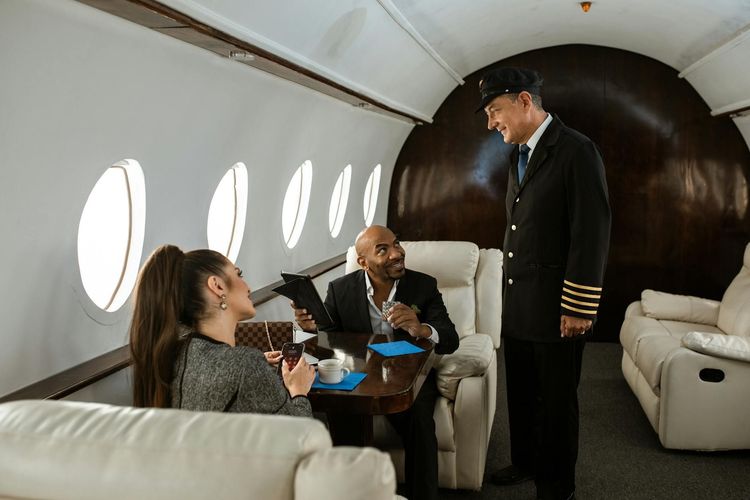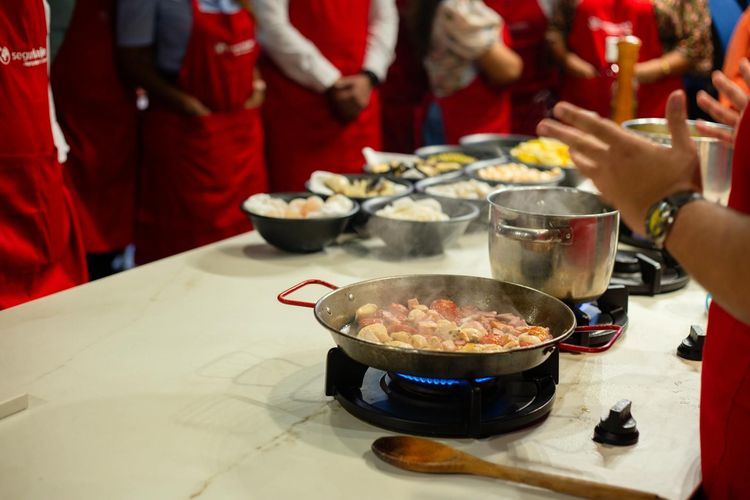

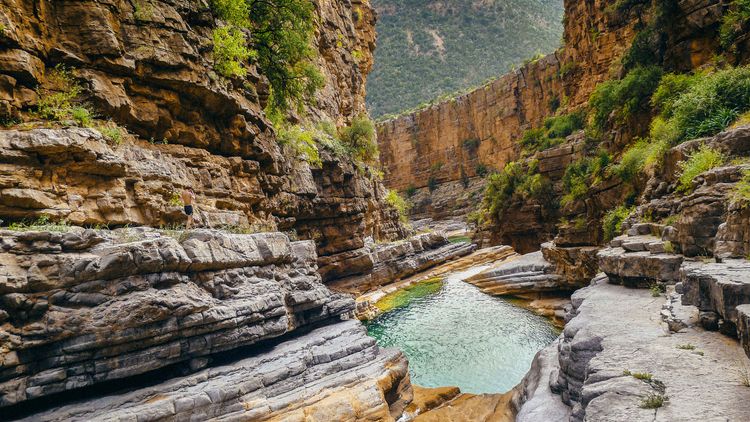
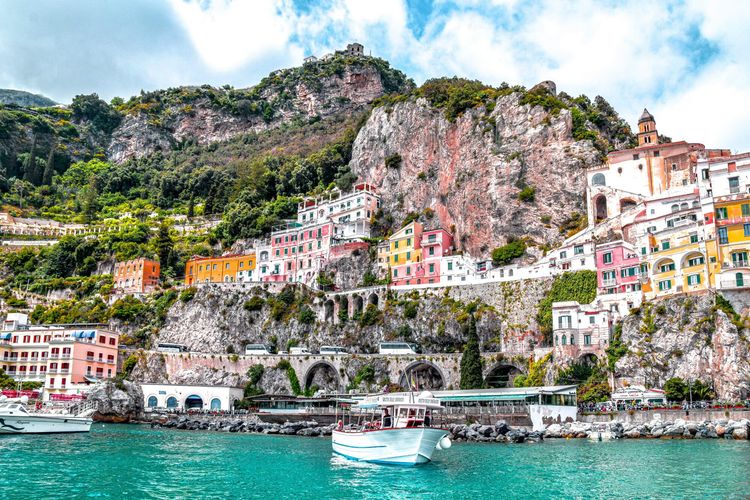




An executive retreat is one of the most strategic events on the agenda for a C-suite or management committee. Usually held once or twice a year, it brings together company leaders to step back, align visions, and make key decisions for the months ahead. This guide explains how to design a truly effective executive retreat in 2026.
Ready to Create Unforgettable Team Experiences?
Discover how we can help you plan retreats that your teams will truly remember.
Specific Objectives of a C-suite Retreat
Unlike retreats for operational teams, an executive retreat has very specific objectives: aligning the management committee on major strategic directions, making difficult decisions in a secure environment, strengthening cohesion among leaders who often see each other only in formal meetings, and recharging both individual and collective energy after periods of professional intensity. It is not about ‘informing’ or ‘training’—but about deciding and aligning.
The Ideal Format: 2-Day Residential Retreat
Experience shows that a 2-day residential format (1 night) is optimal for a C-suite retreat of 5 to 20 people. Too short (1 day), there isn’t enough perspective and decisions remain superficial. Too long (3+ nights), fatigue sets in and it’s hard to coordinate executives’ schedules. The typical programme: Day 1 afternoon (in-depth workshops in sub-groups) + Day 1 evening (informal dinner, open conversations) + Day 2 morning (plenary decision-making and commitments). Simple, focused, and effective.
A Successful C-suite Retreat: Typical Structure
Preparation (3–7 days before): Send concise preparation materials (max 5 pages) so participants arrive informed and ready to decide—not just discovering.
Day 1 afternoon: Thematic workshops in small groups (e.g., 3 groups of 5 on different strategic topics), facilitated by an external consultant if needed.
Day 1 evening: Informal dinner in a pleasant setting—often, the best decisions are made at the table.
Day 2 morning: Workshop feedback, plenary discussion, concrete decisions with assigned responsibilities and deadlines, closing rituals.
Post-retreat: Summary sent within 48 hours, monthly follow-up on commitments made.
Ideal Venues for a C-suite Retreat
The venue for an executive retreat should send an implicit message: quality, exclusivity, and distance from the office. Avoid standard business hotels—they keep participants in ‘meeting’ mode rather than ‘reflection’ mode. Our recommendations:
- Private châteaux and manor houses (Île-de-France, Loire Valley, Burgundy, Normandy): intimacy, prestige, space.
- Private riads in Marrakech: total change of scenery, exceptional service, unique setting.
- Luxury villas in Ibiza, Dubrovnik, or the French Riviera: for C-suites looking to mark a major strategic milestone.
- Exclusive lodges in Iceland: for inspiring leadership retreats in an exceptional natural environment.
Ready to Create Unforgettable Team Experiences?
Discover how we can help you plan retreats that your teams will truly remember.
The Role of the External Facilitator
For high-stakes C-suite retreats (strategic transformation, mergers and acquisitions, leadership changes), using an external facilitator is highly recommended. Their role: structure discussions, ensure all voices are heard (including the quieter ones), manage any tensions, and guide toward decision-making. The facilitator frees the main leader from having to run the session, allowing them to fully participate in the substance.
Post-Retreat Follow-Up: The Often Overlooked Step
An executive retreat without rigorous follow-up has little value. Commitments made in plenary must be formalised (decision summary, assigned responsibilities, set deadlines) and tracked in monthly meetings. Among our most advanced clients, the executive retreat is part of an annual cycle: two residential retreats (January and June) + formal quarterly reviews + monthly video check-ins. This rhythm maintains momentum and cohesion throughout the year.
Organise Your C-suite Retreat with Seminaire.com
Seminaire.com regularly organises retreats for C-suites and management committees of 5 to 30 people, with a focus on confidentiality, quality, and impeccable service. We select venues that best fit your company culture and coordinate every detail—from VIP transport to dinner menu selection. Submit your confidential brief on this page.
Ready to organize your next retreat?
Discover how we can help you create memorable experiences for your teams.

Create lasting memories with your team in inspiring locations