



With so many formats available, many HR managers and project leads are asking the same question: is it better to organise a classic corporate retreat or opt for a professional offsite? Each format serves distinct yet complementary goals. This guide helps you understand their differences, key advantages, and how to select the right approach for your team in 2026.
Ready to Create Unforgettable Team Experiences?
Discover how we can help you plan retreats that your teams will truly remember.
Corporate Retreat: Performance, Cohesion, and Deliverables
The corporate retreat is a structured format focused on clear operational goals: project launches, training, annual reviews, or strategic kick-offs. Usually held over one to three days in a professional setting—such as a seminar hotel, conference centre, or fully equipped meeting room.
The main focus is the deliverable: action plans, validated decisions, or new skills. Participants leave with concrete tools. This format is ideal when your team needs to make rapid progress on a shared project, align stakeholders, or communicate key messages across a department.
To ensure success, carefully plan the agenda, alternate between plenary sessions and workshops, and select a venue with high-quality audiovisual equipment. Explore our best corporate retreat offers to compare venues across France.
Professional Offsite: Perspective, Creativity, and Wellbeing
The professional offsite—or corporate retreat—takes a different approach: sometimes teams need to decompress, gain perspective, and reconnect with their deeper motivations rather than simply ticking off action items.
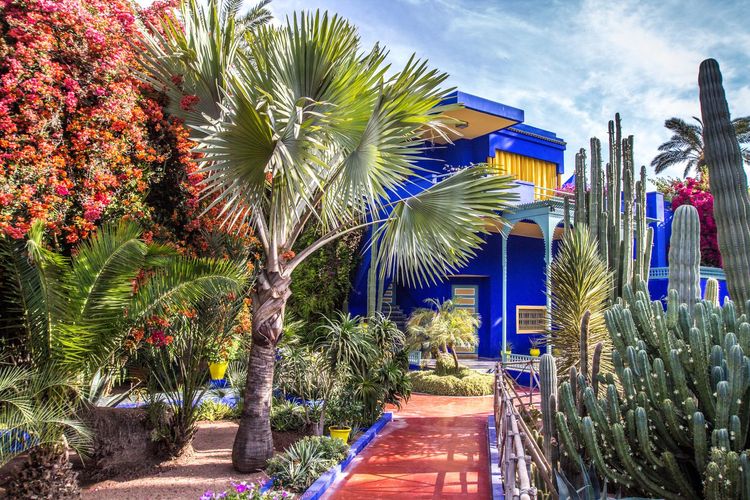
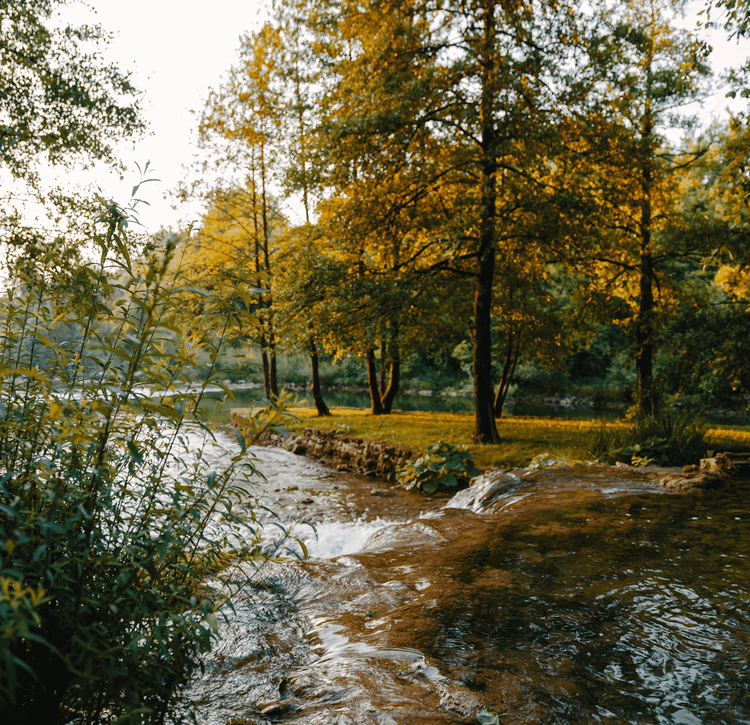
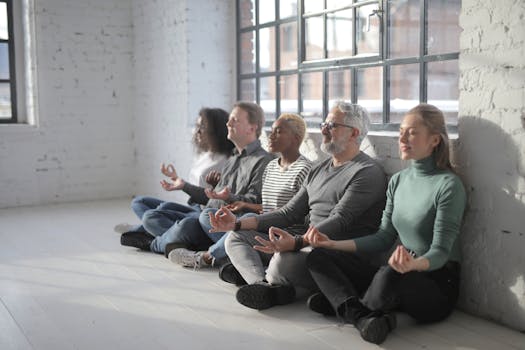
These events are often held in inspiring locations away from the office: countryside estates, mountain chalets, or Provençal villas with wellness facilities. The programme blends light collaborative work (creative workshops, shared vision, mindfulness) with time for recharging.
This format is especially valuable after periods of high pressure, ahead of major organisational changes, or when a manager wants to build trust within the team without immediate performance targets. The ROI is less quantifiable but often very real: reduced stress, increased engagement, and improved talent retention.
Comparison Table: Corporate Retreat vs Professional Offsite
To help you decide, here’s a concise comparison of both formats:
- Main objective: performance and deliverables for the corporate retreat—rejuvenation and human connection for the offsite.
- Typical duration: 1–2 days for the retreat—2–4 days for the offsite, often residential.
- Venue: business hotel or conference centre—nature estate, spa, or unique location.
- Programme: plenaries, workshops, presentations—creative workshops, outdoor activities, structured free time.
- Average budget: €80–200/person/day—€150–400/person/day all-inclusive.
- Measured ROI: project progress, training—engagement, wellbeing, long-term cohesion.
The choice isn’t binary. Many companies now opt for hybrid formats that combine strategic work in the morning with restorative activities in the afternoon.
5 Questions to Choose the Right Format
Before booking, ask yourself these five essential questions:
- What is my team’s emotional state? If colleagues are exhausted, an offsite is best. If they’re motivated and need clear direction, a retreat is more suitable.
- Are there expected deliverables? If leadership expects a report or action plan, choose a retreat.
- What is the group size? Offsites work best for small groups (8–25 people); retreats can accommodate hundreds.
- What is my budget? Residential offsites are generally more expensive.
- What outcome do I want to measure after 30 days? If it’s skill development or strategy validation, opt for a retreat. If it’s improved internal NPS or reduced turnover, an offsite may be more effective.
Ready to Create Unforgettable Team Experiences?
Discover how we can help you plan retreats that your teams will truly remember.
2026 Trend: Wellbeing Retreats, the Best of Both Worlds
The line between retreat and offsite is blurring. In 2026, wellbeing retreats combine the best of both: a morning of focused business work, followed by an afternoon dedicated to team building, nature, or mindfulness activities.
This hybrid format meets a clear demand: employees no longer want to choose between performance and quality of life. They seek events that support both at once.
To explore team building activities that enhance your retreats or offsites, discover our selection of certified providers. Whether you choose a structured retreat, immersive offsite, or hybrid format, the key is to align the event with your team’s real needs.
Ready to organize your next retreat?
Discover how we can help you create memorable experiences for your teams.

Create lasting memories with your team in inspiring locations