





Convention, corporate retreat, conference, congress, study day, team building, incentive—the vocabulary of corporate events is broad and often confusing. This guide clarifies these terms and helps you choose the most suitable format for your objectives in 2026.
Ready to Create Unforgettable Team Experiences?
Discover how we can help you plan retreats that your teams will truly remember.
The Corporate Convention
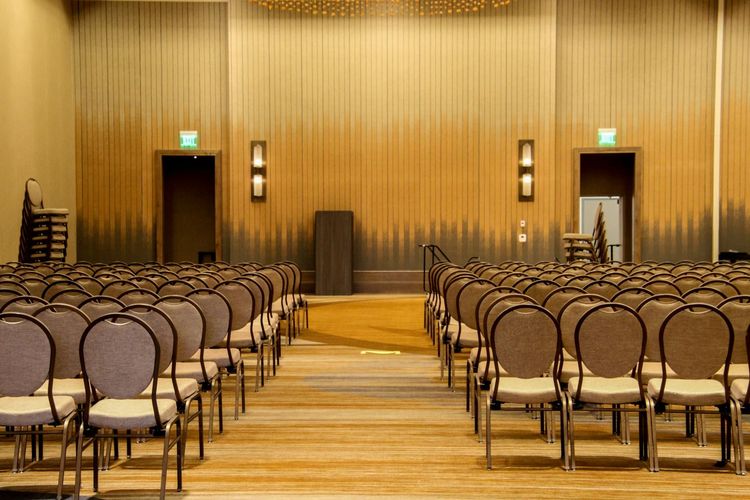
A corporate convention is a major company event that typically brings together all employees (or a large portion) around a strong strategic message. Usually held once a year, it combines results presentations, strategy announcements, recognition of achievements, and celebratory moments. Conventions often feature professional staging (stage, lighting, videos) and can gather from a few dozen to several thousand participants. This is a top-down event: management speaks, teams listen.
The Corporate Retreat
The corporate retreat is more participative than a convention. It usually gathers a smaller group (10 to 150 people) around a specific goal: making strategic decisions, strengthening team cohesion, training on a new topic, or launching a project. Corporate retreats are interactive, featuring workshops, working groups, collective brainstorming, and feedback sessions. They can last from half a day to several days and often include an overnight stay at an external venue.
Other Formats to Know
- Conference / Congress: A sector-specific or professional event, often open to external participants, focused on knowledge sharing and networking.
- Study Day: A shorter version of a corporate retreat, without accommodation, for a specific and defined objective.
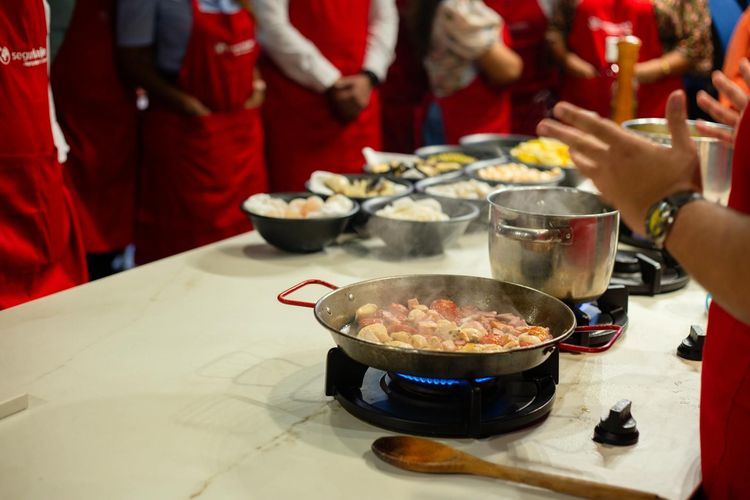
- Team Building: An event mainly focused on cohesion activities—can be part of a corporate retreat or a standalone event.
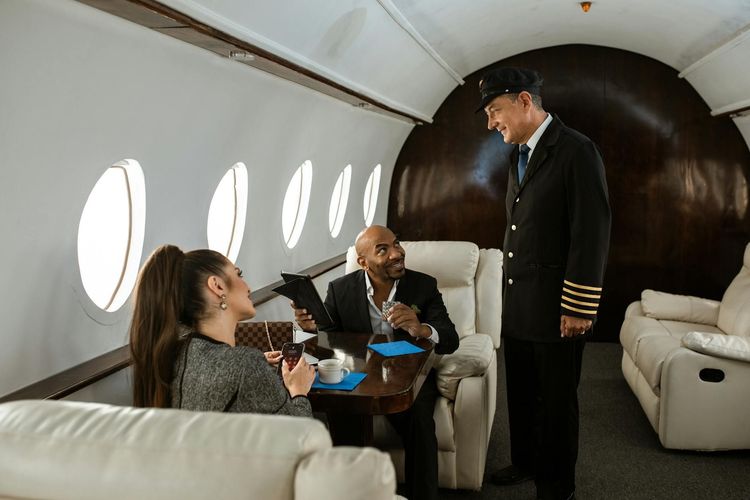
- Incentive: A premium trip or experience reserved for top performers, clearly positioned as a reward.
- Kick-off: An event to launch the year or a project, often blending elements of a convention and a corporate retreat.
Comparison Table
Convention: large scale, top-down, annual, strong staging, 200–5,000 people.
Corporate Retreat: participative, decision-making or training, 10–200 people, residential possible.
Study Day: short, factual, 1 day, no overnight, 20–100 people.
Team Building: activities, cohesion, 10–300 people, half-day to 2 days.
Incentive: reward, premium, exclusive, 10–50 people, exceptional destinations.
Kick-off: annual launch, motivational, 20–500 people, 1–2 days.
Ready to Create Unforgettable Team Experiences?
Discover how we can help you plan retreats that your teams will truly remember.
How to Choose the Right Format
The key question is: what is the main objective of your event?
- Aligning 200 people on strategy → Convention or large corporate retreat.
- Making strategic decisions in a small group → Executive corporate retreat.
- Strengthening team cohesion → Team building or cohesion retreat.
- Rewarding top performers → Incentive.
- Kicking off the year with energy → Kick-off.
- Training teams on a new topic → Study day or training retreat.
Seminaire.com for Every Event Format
Whether you are organizing a convention for 500 people or an executive corporate retreat for 15, Seminaire.com supports you with the same expertise. Submit your brief on this page and our team will guide you to the most suitable format and venue for your goals and budget.
Ready to organize your next retreat?
Discover how we can help you create memorable experiences for your teams.

Create lasting memories with your team in inspiring locations