



What if your team designed its own next seminar? What looks like a risk is actually one of the most effective approaches to ensure engagement, relevance and impact.
Ready to Create Unforgettable Team Experiences?
Discover how we can help you plan retreats that your teams will truly remember.
Why Co-Design Produces Better Seminars
🧠 The ownership effect
Organisational psychology studies show that participants who contributed to an event's design engage 3–4 times more than those who receive it passively. Co-design is the shortcut to authentic engagement.
- 🎯 Maximum relevance — The team identifies its own needs better than any external consultant.
- 💡 Unexpected ideas — Participants imagine formats and speakers the organiser would never have thought of alone.
- 🤝 Early engagement — By contributing to the design, participants are already mentally in the seminar before it starts.
- ✅ Legitimacy — A co-designed seminar is perceived as more legitimate by participants — even those whose ideas weren’t retained.
3 Levels of Co-Design According to Your Company Culture
| Level | Description | Concrete example |
|---|---|---|
| 1. Consultation | Team surveyed on expectations, organiser decides | Pre-seminar form: 3 priority topics, 1 preferred format |
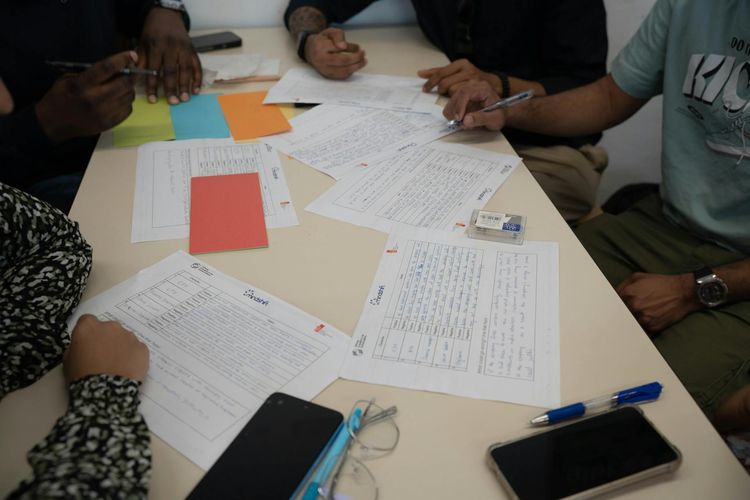
| 2. Co-design | Team co-designs the broad outline with the organiser | 2-hour workshop: define objectives and select formats together |
| 3. Self-organisation | Team organises its own seminar, guided by the organiser | 4 sub-groups design 4 sessions, a steering committee of 3 coordinates |
The Co-Design Process Step by Step
- 📋 Step 1: Framing by the sponsor — Before any co-design, the sponsor sets the non-negotiable framework: budget, dates, strategic objectives, constraints.
- 📢 Step 2: Call for contributions — Online survey (max 3–5 questions), anonymous idea box, or small-group brainstorming sessions.
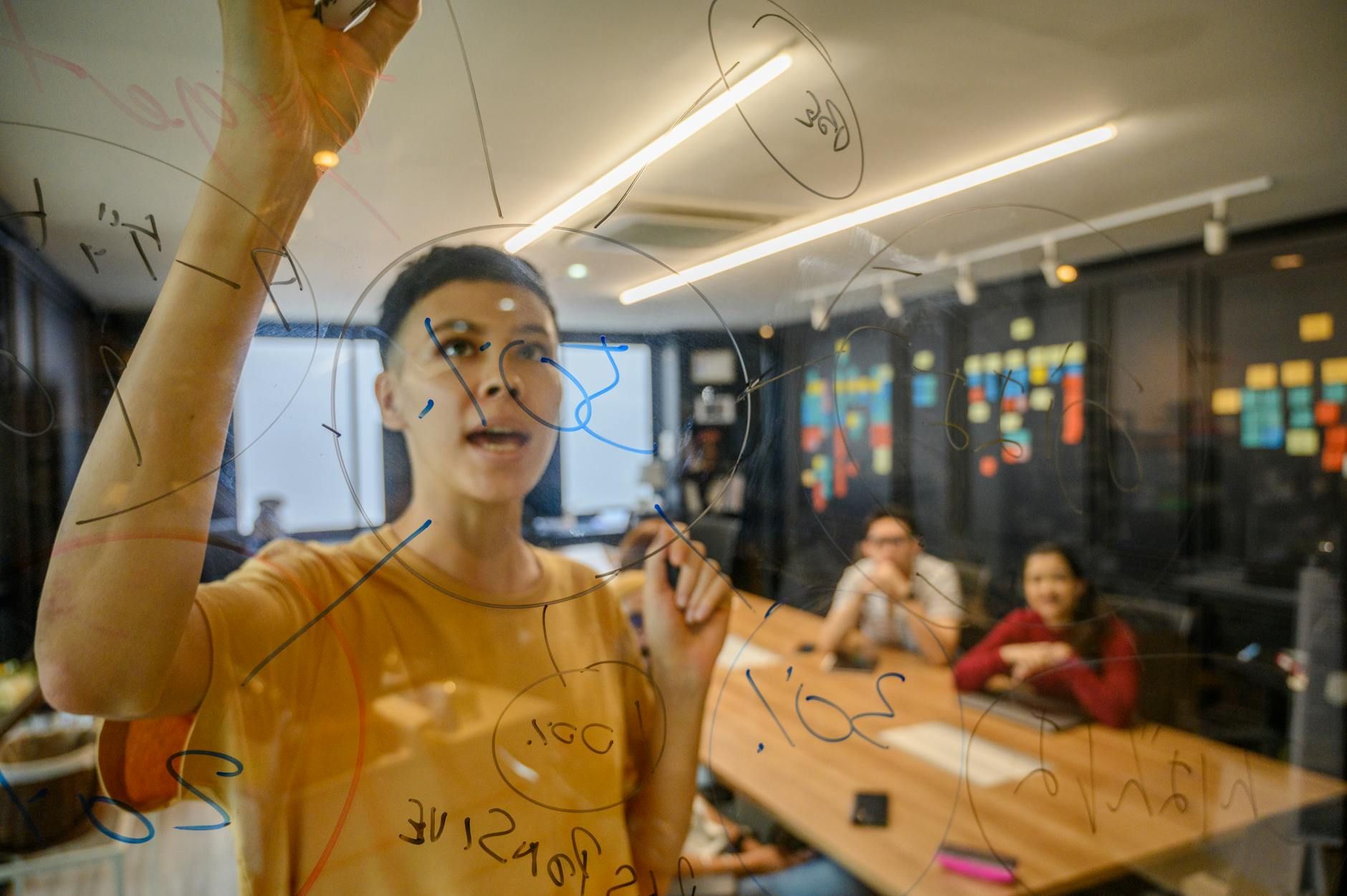
- 🔍 Step 3: Collective prioritisation — Present collected ideas to the team and vote together on priorities (dot voting, survey, etc.).
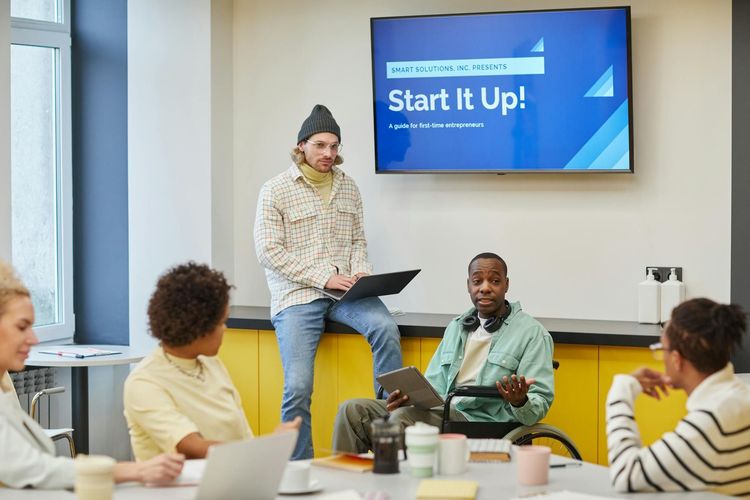
- 🛠️ Step 4: Thematic working groups — Form 2–4 teams that co-design sessions in their area of expertise.
- ✅ Step 5: Validation and finalisation — The organiser integrates contributions, manages constraints, and presents the final programme.
❓ Frequently Asked Questions
Doesn’t co-design risk producing a seminar that is a ‘grab-bag’ without coherence?
This is the main risk. The solution: a steering committee of 3–5 people responsible for narrative coherence, and a facilitator guiding working groups towards realistic, complementary proposals.
How do you handle rejected ideas without demotivating their owners?
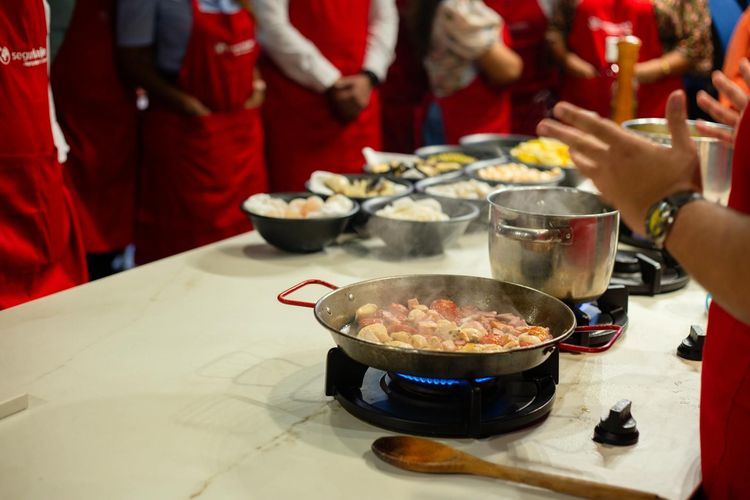
Explain the 'why' behind each decision. 'Your cookery workshop idea was excellent, but the selected venue has no professional kitchen' — transparency transforms rejection into understanding.
How long does a co-design process take?
For a 2-day seminar, allow 3–6 weeks of participatory process — 2 to 3 times longer than classic organisation. But the engagement and quality are well worth it.
Ready to organize your next retreat?
Discover how we can help you create memorable experiences for your teams.

Create lasting memories with your team in inspiring locations