







Corporate culture

Facilitator or Seminar Host How to Choose the Right Professional

How to Choose the Ideal Facilitator for Your Seminar

Seminaire.com Team July 16, 2026 9 min read
Facilitator or Seminar Host How to Choose the Right Professional

The quality of a seminar depends 60 % on the quality of its facilitation. Great content poorly facilitated produces no results. An exceptional facilitator can transform even a modest programme into a memorable experience.

Ready to Create Unforgettable Team Experiences?

Discover how we can help you plan retreats that your teams will truly remember.

Facilitator vs Seminar Host: What's the Difference?

🎯 Precise definition

A seminar host maintains energy and flow. A facilitator works in depth on group processes: guiding collective thinking to surface decisions and insights the group would not find alone.

  • 🎤 Seminar host — Manages timing, maintains energy, introduces speakers, creates links between sessions. Ideal for event-style seminars and large plenaries.
  • 🧩 Facilitator — Designs and guides collective thinking processes. Unlocks group intelligence. Essential for strategic, transformation or innovation seminars.
  • 🎓 Trainer — Transmits knowledge and skills. Suited to training or upskilling seminars.
  • 🎭 Speaker/Keynote — Inspires and opens perspectives. Often at start or end of seminar to frame the theme.

The 6 Criteria for Choosing the Right Facilitator


CriterionWhat to evaluateHow to evaluate it
Sector experienceHas they facilitated similar groups (sector, culture, stakes)?Request 3 verifiable references
Methods and toolsWhich methods do they use? (Design Thinking, World Café, LEGO Serious Play…)Request a detailed programme description
AdaptabilityHow do they handle surprises, resistance, conflicts?Hypothetical scenario in interview
StanceAre they group-centred or self-centred? Serving or performing?Observe their curiosity during briefing
Personalised proposalDo they offer a tailored design or standard format?Be cautious if the quote arrives before the brief
Relational chemistryIs the fit right? The group will need to trust them.Physical or video meeting before signing

Mistakes to Avoid When Choosing a Facilitator
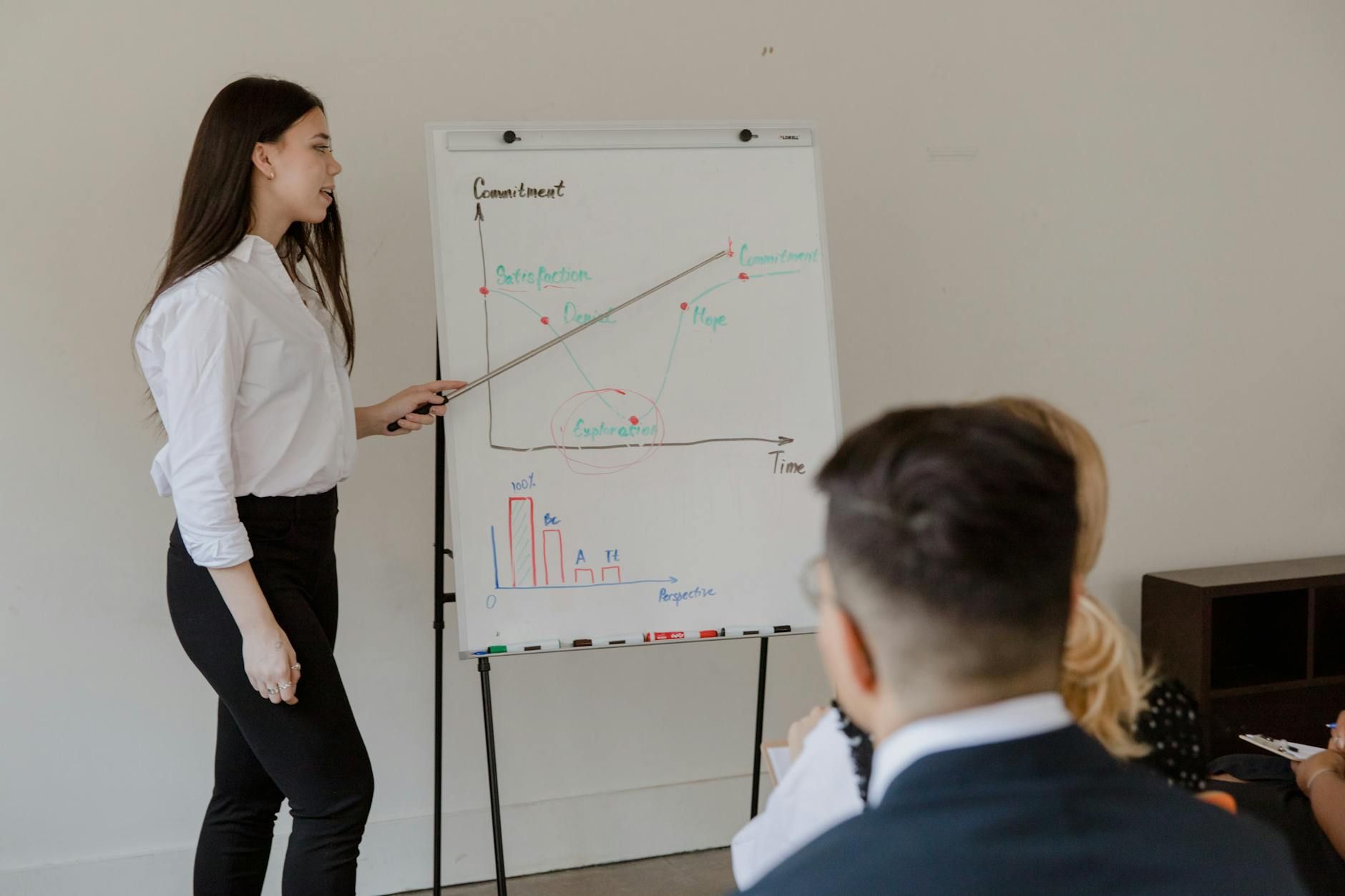
Woman leading a business presentation to colleagues in an office setting with charts on a whiteboard.
  • Choosing on price alone — The cheapest rarely facilitates best. A good facilitator’s ROI is 5–10× their cost in actionable decisions.
  • No in-depth briefing — A facilitator who doesn’t ask questions before proposing a programme hasn’t understood their role.
  • Confusing charisma with effectiveness — A very charismatic facilitator may centralise attention on themselves rather than distributing it across the group.
  • Neglecting the follow-up — A good facilitator always proposes a post-seminar follow-up protocol to anchor decisions.

❓ Frequently Asked Questions


What is the rate for a seminar facilitator?

Rates range from £900 to £5,500/day depending on experience, profile and programme complexity. Budget £1,500–£2,500 for a competent senior facilitator. The rate generally includes programme design.


Should you use an internal or external facilitator?

External brings neutrality and credibility — they are not in the organisation's power dynamics. Internal knows the culture better but risks being perceived as partial. For sensitive topics (transformation, conflicts), external is almost always superior.


How do you evaluate a facilitator before choosing them?

Ask to see a video of them in action (not a presentation). Speak to 2–3 previous clients. Propose a 30-minute discovery meeting — observe how they ask questions rather than assert.

Ready to organize your next retreat?

Discover how we can help you create memorable experiences for your teams.

Create lasting memories with your team in inspiring locations


Create lasting memories with your team in inspiring locations

FAQ

Frequently Asked Questions: Facilitator or Seminar Host How to Choose the Right Professional

The main difference between a facilitator and a seminar host lies in their roles and impact on the seminar’s outcome. A facilitator is primarily responsible for guiding group discussions, ensuring productive interactions, and helping participants achieve the seminar’s objectives. In contrast, a seminar host typically manages event logistics, welcomes attendees, and maintains the event schedule.

The article emphasizes that the quality of facilitation significantly shapes a seminar’s success—up to 60% depends on how well it is facilitated. This means that even with excellent content, a lackluster facilitator can result in a less effective experience, while a skilled facilitator can elevate even modest programmes.

For a deeper dive into selecting the right professional for your next seminar, explore our other insights at the blog index to help you make informed decisions.

Facilitation quality has a strong impact on seminar outcomes because it directly influences participant engagement, learning, and the overall atmosphere. According to the article, 60% of a seminar’s quality is attributed to effective facilitation, highlighting its crucial role.

An exceptional facilitator can transform even the most basic programme into a memorable and productive experience by fostering meaningful discussions, encouraging collaboration, and keeping the group focused on goals. Poor facilitation, on the other hand, can lead to disengagement and missed opportunities, even if the content is excellent.

If you’re planning a seminar and want to ensure its success, consider reading more on seminar best practices in our blog section for actionable tips and guidance.

Organizations and teams aiming for high engagement and tangible outcomes should prioritize hiring a professional facilitator. This is especially relevant for corporate seminars, strategic planning sessions, or any event where group participation and consensus are vital.

The article underscores that the facilitator’s expertise can make or break a seminar, regardless of the programme’s content. If your event involves complex topics, diverse viewpoints, or requires actionable results, investing in skilled facilitation is essential for maximizing value and achieving objectives.

To explore more about professional facilitation and seminar planning, visit our blog index for related articles and resources tailored to event organizers.

Choosing the wrong seminar professional—whether facilitator or host—can significantly undermine your event’s success. The article highlights that poor facilitation can negate even the best content, leading to disengaged participants and wasted resources.

Risks include ineffective communication, lack of group cohesion, missed objectives, and a generally forgettable experience. Conversely, the right facilitator can turn a simple agenda into a dynamic and impactful event, ensuring that goals are met and participants are satisfied.

For more insights into effective event planning and professional selection, browse our blog for expert strategies and case studies.

To select the right facilitator or host, start by clearly defining your seminar’s goals and the level of participant engagement you desire. Then, assess potential candidates based on their experience, facilitation style, and ability to handle group dynamics.

The article suggests that since facilitation quality is a key driver of seminar success, prioritizing candidates with a proven track record is crucial. Consider conducting interviews, reviewing testimonials, or observing their work if possible to ensure a good fit for your event’s needs.

For further guidance on seminar planning and professional selection, continue reading our blog articles or contact us for tailored advice.

CTA background

Ready to Plan Your Next Team Retreat?

Let our expert team help you create an unforgettable experience for your team. Get started in minutes.

Talk to our team