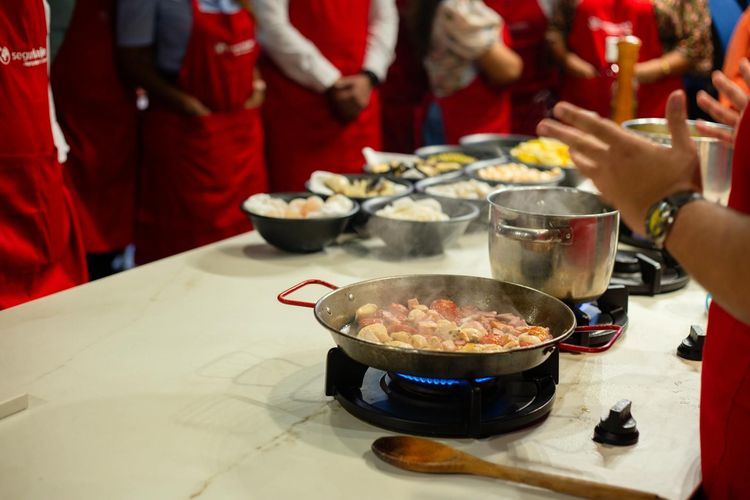








Catering is often the most memorable part of a corporate retreat for participants—yet it’s frequently the least considered in terms of sustainability. A committed chef who tailors menus to sustainability requirements, team dietary restrictions, and local culture can turn a group meal into a meaningful and memorable experience.
Ready to Create Unforgettable Team Experiences?
Discover how we can help you plan retreats that your teams will truly remember.
Key Principles of Responsible Catering for Corporate Retreats
🍃 The Hidden Impact
Catering accounts for an average of 15–20% of the carbon footprint of a residential corporate retreat. Yet, it’s also where the greatest—and most visible—improvements can be made for participants.
- 🌱 Local and Seasonal Products — Reduce food miles, support local producers, and clearly display product origins.
- 🥗 More Plant-Based Menus — Offering gourmet plant-based dishes (not just salads) cuts the footprint by 40–60% compared to meat-based menus.
- ♻️ Zero Waste — Calibrated portions, doggy bags, composting, and partnerships with local food charities.
- 🌾 Allergy Management — Clear labeling, staff training, and separate preparations for special diets.
How to Brief Your Chef for a Responsible Corporate Retreat Menu
A responsible chef for a corporate retreat should be briefed in advance with the same attention as any key speaker. Here’s the ideal catering brief template:
- 👥 Participant Profile — Number, nationalities, dietary requirements, allergies, preferences—gathered via form 3–4 weeks prior.
- 🎯 Nutritional Objective — A retreat focused on intellectual work needs different menus than a sporty outdoor offsite. The chef should adapt accordingly.
- 🌍 Region and Seasons — The chef identifies available local producers based on the season and the retreat destination.
- 💰 Budget and Perceived Value — A €35/person menu can be more memorable and responsible than an industrial buffet at €60/person.
5 Responsible and Memorable Corporate Retreat Menu Ideas
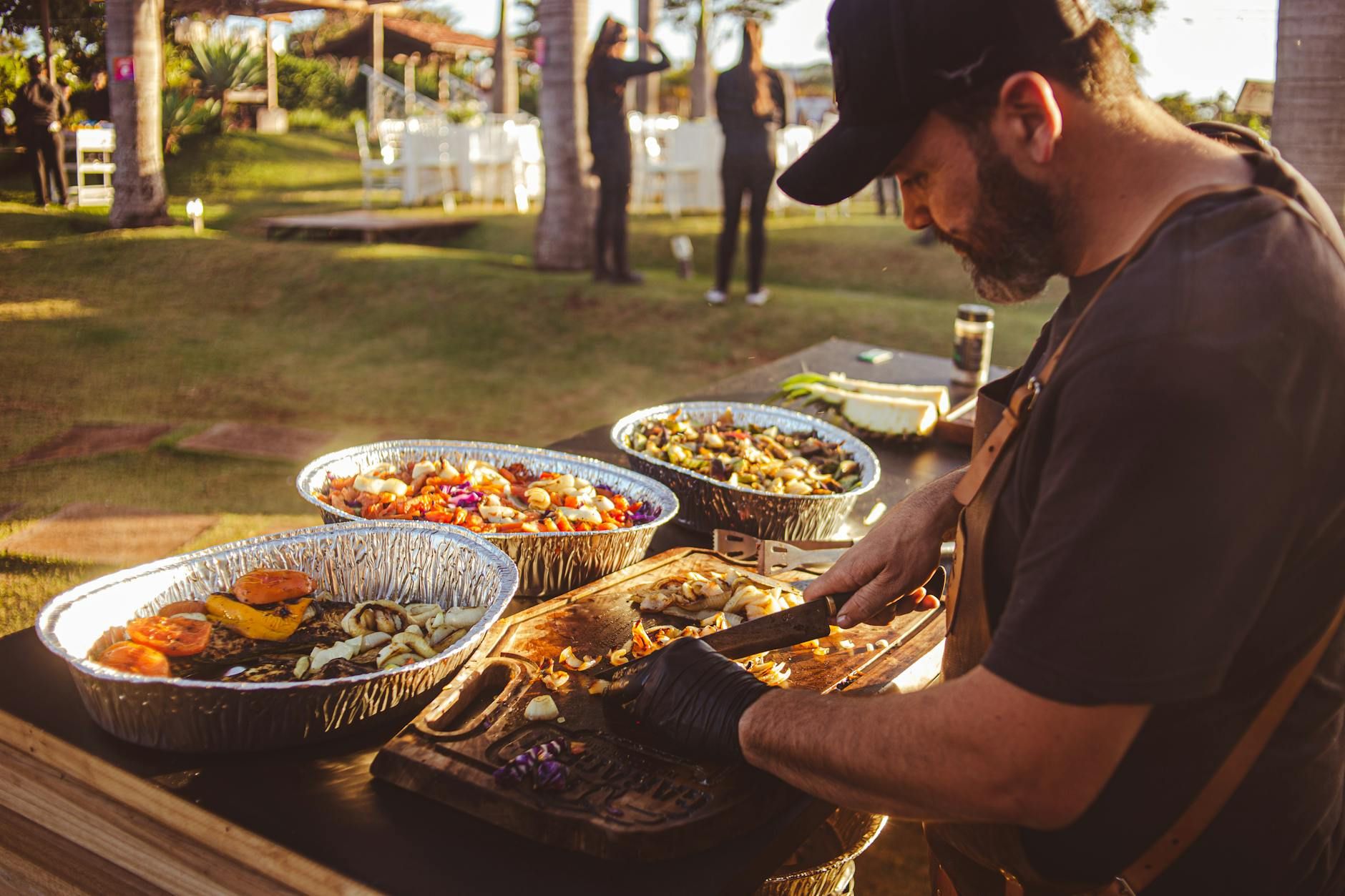
- 🍲 Reinvented Pot-au-Feu — Local market vegetables, homemade broth, optional local meat. Friendly, comforting, and local.
- 🥙 Plant-Based Meze — Homemade hummus, grilled vegetables, falafel, local cheeses—multicultural and inclusive.
- 🐟 Locally Caught Fish — On the coast, the catch of the day is often the most responsible and flavorful choice.
- 🌾 Grain Bowl — Quinoa, spelt, lentils, legumes—high nutritional value, low impact, and delicious when well prepared.
- 🍎 Local and Seasonal Dessert — Apple tart from a nearby orchard, crème brûlée with local lavender—the region’s identity on the plate.
❓ Frequently Asked Questions
How do you manage a group with many dietary restrictions?
Take a modular approach: a neutral base dish (pasta, rice, vegetables) plus variations for different diets. This simplifies management while respecting everyone’s needs.
Should you display product origins at the buffet?
Yes—and it’s a powerful engagement tool. When participants know the vegetables are from the local market that morning, they’re more attentive, appreciative, and remember the experience better.
Is responsible catering more expensive?
Not necessarily. Local, seasonal products are often less expensive than imported, out-of-season items. Most cost differences come from preparation time, not raw ingredients.
Ready to organize your next retreat?
Discover how we can help you create memorable experiences for your teams.

Create lasting memories with your team in inspiring locations