





Corporate culture

After the Corporate Retreat How to Build on Decisions and Sustain Momentum

After the Corporate Retreat Turning Decisions into Lasting

Seminaire.com Team July 21, 2026 7 min read
After the Corporate Retreat How to Build on Decisions and Sustain Momentum

The corporate retreat is over, everyone returns to their desks — and 60% of decisions made will never be implemented (McKinsey, 2024). The real work starts after the event. This guide offers a 5-step protocol to turn retreat ideas into concrete actions.

Ready to Create Unforgettable Team Experiences?

Discover how we can help you plan retreats that your teams will truly remember.

Why Corporate Retreat Decisions Often Go Unimplemented

📊 The McKinsey Diagnosis

60% of strategic decisions made during a corporate retreat are not implemented within 90 days. Main reasons: no designated owner, no deadline, and a return to routine that erases the sense of urgency.

  • 📋 No formal action plan — Verbal decisions without a follow-up document get lost in inboxes.
  • 👤 No designated owner — A decision without an owner is a dead decision. ‘We’ll do this’ isn’t enough.
  • No defined deadline — Without a deadline, the due date is never.
  • 🔄 No follow-up ritual — Without a scheduled follow-up meeting, momentum collapses within three weeks.

A 5-Step Protocol to Capitalize on Your Corporate Retreat

  • 📄 Step 1 (Day +1): Dynamic Recap — Within 24 hours, send a visual recap — ideally a graphic facilitation mural — highlighting the 5–10 key decisions, owners, and deadlines. Keep it short, visual, and actionable.
  • 📧 Step 2 (Day +3): Personalized Follow-Up Email — Each decision owner receives a personalized email reminding them of their commitment and requesting a first concrete action within the week.
  • 📅 Step 3 (Day +15): Follow-Up Stand-Up — 15–30 minutes as a team: each owner shares their progress. Stand-up format to maintain energy. Not a reporting meeting — a momentum check-in.
  • 📊 Step 4 (Day +30): Commitment Dashboard — A shared dashboard (Notion, Monday, Google Sheets) showing the status of each action: To Do / In Progress / Done. Visible to the whole team.
  • 🔄 Step 5 (Day +90): Quarterly Review — Review the 10 retreat commitments: how many completed? What obstacles? Integrate into the next team planning session.

Tools to Sustain Post-Retreat Momentum

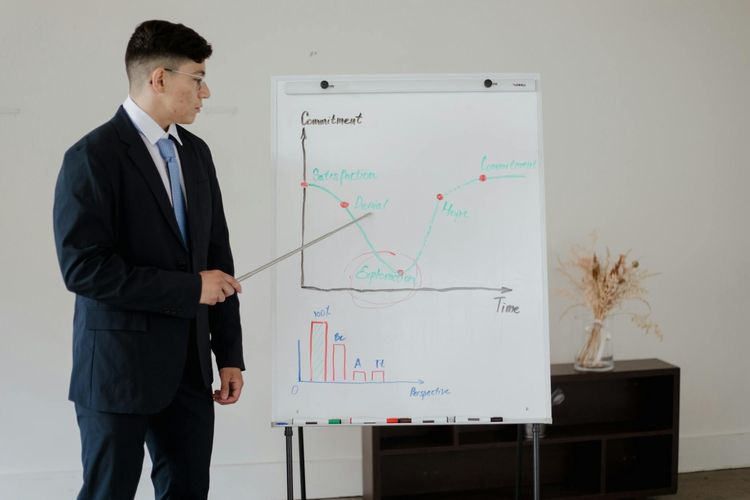
Business professionals collaborating on financial documents in an office setting.


ToolUseFreemium Available?
NotionCommitment dashboard, recap✅ Yes
Monday.comProject management, action tracking✅ Yes (limited)
Miro / MuralCollaborative post-retreat board✅ Yes
LoomManager’s video recap of the retreat✅ Yes
Slido / MentimeterFollow-up survey on commitments at Day +30✅ Yes

❓ Frequently Asked Questions


Who should send the corporate retreat recap?

The organizer or facilitator, within 24 hours. Not the busiest person on the team. The recap should be short (1–2 pages max), visual, and focused on decisions — not a full transcript.


How can you track commitments without creating bureaucracy?

The tracking tool should be as simple as possible. A shared Google Sheet with five columns (Decision, Owner, Deadline, Status, Comment) is often more used than a complex tool.


How long does it take for a retreat decision to become embedded in practice?

On average, 90 days of active follow-up are needed for a new practice to stick. Retreats that schedule follow-up rituals at 30, 60, and 90 days achieve implementation rates three times higher.

Ready to organize your next retreat?

Discover how we can help you create memorable experiences for your teams.

Create lasting memories with your team in inspiring locations

Create lasting memories with your team in inspiring locations

FAQ

Frequently Asked Questions: After the Corporate Retreat How to Build on Decisions and Sustain Momentum

To maximize the impact of a corporate retreat, it’s essential to follow a structured process once the event concludes. This article outlines a five-step method to ensure decisions made during the retreat are effectively implemented.

The process involves clarifying key decisions, assigning responsibilities, setting up a follow-up timeline, engaging participants over time, and regularly evaluating progress. Following these steps helps turn ideas into action and sustains the collective momentum generated during the retreat.

For a deeper dive into the methodology and additional tips, check out our corporate retreat blog.

The post-retreat phase is critical because, according to a McKinsey study (2024), 60% of decisions made during a corporate retreat are never implemented. This is when the real challenge begins: turning resolutions into tangible actions.

Without a post-event strategy, group momentum quickly fades and the efforts invested may be lost. The article highlights the importance of organized follow-up to sustain engagement and achieve lasting results.

For more articles on managing the post-retreat phase and optimizing your events, explore our blog.

This guide is designed for corporate retreat organizers, HR professionals, managers, or anyone responsible for leading group projects within a company.

It provides practical tools for those who want to ensure that decisions made during a corporate retreat are actually implemented and that collective energy is maintained over time. Whether you’re planning a strategic offsite, a team-building session, or a brainstorming workshop, this protocol will help you structure your post-event actions.

Find more resources tailored to your role on our dedicated organizers’ blog.

Without a post-retreat protocol, most decisions made are unlikely to be carried out, as highlighted by the referenced study (McKinsey, 2024). This can lead to a loss of motivation, a return to old habits, and a sense among participants that their time was wasted.

Lack of follow-up undermines the organization’s credibility and can discourage engagement in future events. A structured protocol, on the other hand, helps maintain momentum, strengthen team cohesion, and achieve measurable results.

To avoid these pitfalls, draw inspiration from the best practices shared on our corporate retreat blog.

After applying the five recommended steps, it’s beneficial to enhance your approach with collaborative tools and regular follow-up routines. This might include progress check-ins, interim reviews, and using shared platforms to track action items.

Involving participants in the follow-up process and celebrating collective achievements helps sustain momentum. To discover more methods or connect with experts, explore our other articles or contact us for personalized support.

Find all our resources and practical guides on the blog to further ensure the success of your corporate retreats.

CTA background

Ready to Plan Your Next Team Retreat?

Let our expert team help you create an unforgettable experience for your team. Get started in minutes.

Talk to our team