






The annual strategic corporate retreat is the most important event of the year for many companies. It’s when leadership and teams align on vision, priorities, and resources for the year ahead. Flawless preparation is essential. This guide provides a comprehensive protocol.
Ready to Create Unforgettable Team Experiences?
Discover how we can help you plan retreats that your teams will truly remember.
Key Objectives of the Annual Strategic Corporate Retreat
📊 The Moment of Truth for Strategy
McKinsey (2024): 70% of strategic failures result from a lack of alignment and execution, not poor strategy. The annual retreat is the most powerful lever to ensure this alignment.
- 🧭 Align on Vision — Everyone must understand not just WHAT but WHY. The retreat is where leadership translates strategy into clear, engaging terms.
- 🎯 Prioritize — With too many opportunities and priorities, the retreat forces focus: 3–5 top priorities for the year.
- 🤝 Build Engagement — Decisions that are understood and shared are implemented 4× more often. Co-creation is key.
- 🔄 Leverage the Past Year — What were the successes? The failures? The lessons learned? The retreat is the time for collective honesty.
Timeline: Ideal Planning Schedule for a Strategic Corporate Retreat
| Time Before Event | Action | Responsible |
|---|---|---|
| 4–6 months | Define theme, objectives, group size, and select venue | Leadership + Executive Assistant |
| 3 months | Book venue, select external speakers | Designated Organizer |
| 2 months | Build detailed agenda, brief workshop leaders | Leadership + Executive Committee |
| 1 month | Confirm participants, hotel bookings, send invitations | Executive Assistant |
| 2 weeks | Pre-event questionnaire, send agenda, finalize logistics | Organizer |
| Day before | Speaker rehearsal, check room and equipment | Organizer + AV Provider |
Ideal Structure for a Two-Day Strategic Corporate Retreat
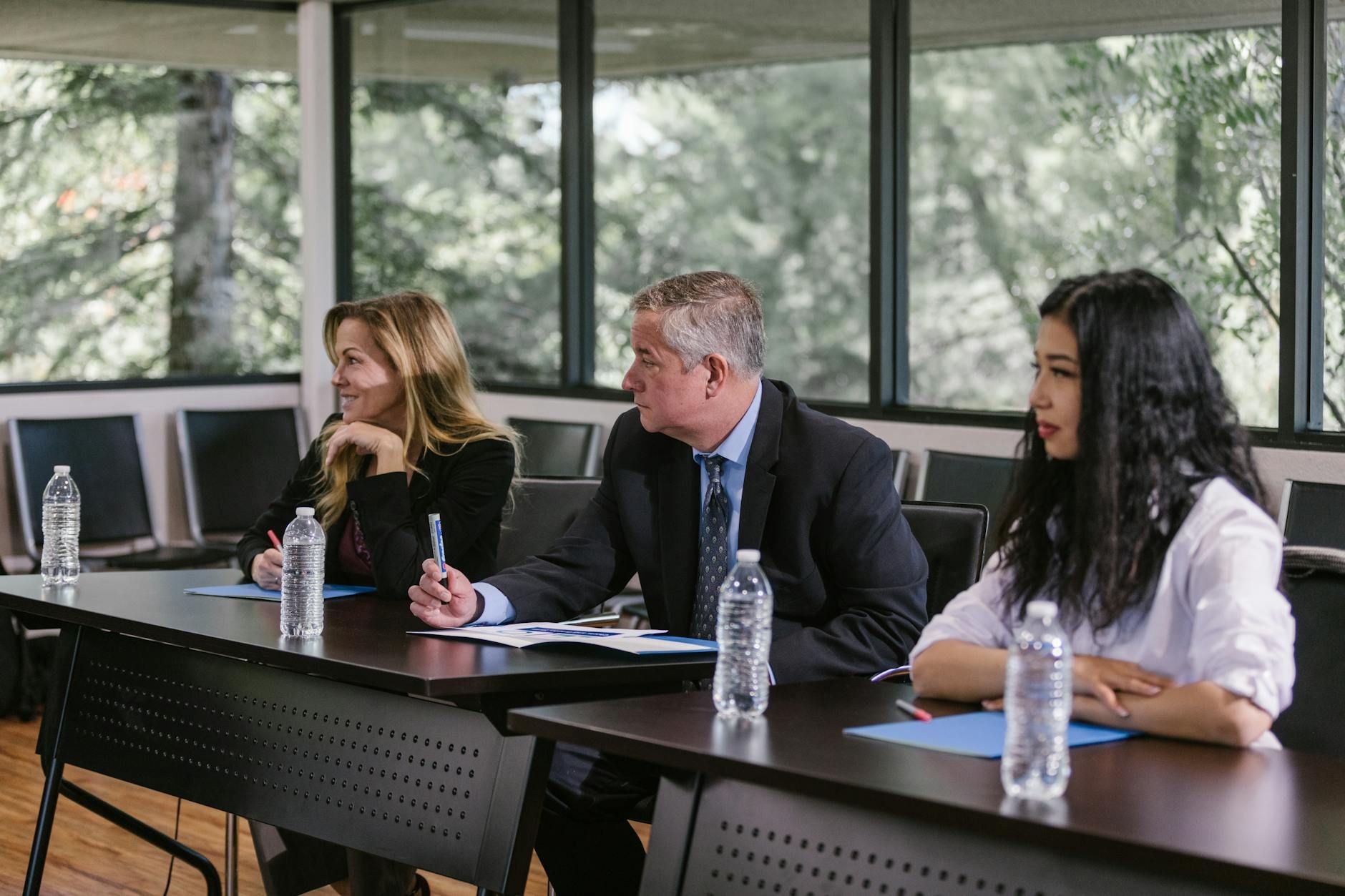
- 🌅 Day 1 Morning: Retrospective — Review of the past year. Successes, challenges, lessons learned. Led with data and testimonials, no sugarcoating.
- ☀️ Day 1 Afternoon: Vision & Trends — Where is the market? What are competitors doing? An external speaker can offer valuable perspective.
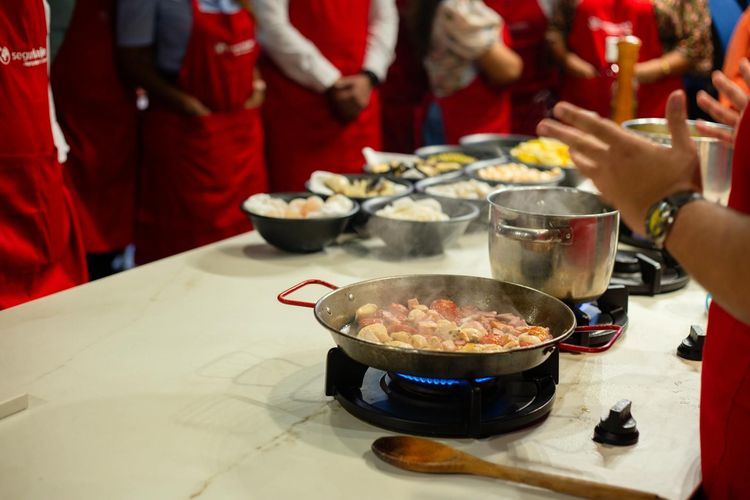
- 🌙 Day 1 Evening: Team Building — Dinner together, a break-out activity (escape game, workshop, group cooking). Informal moments are essential.
- 🌅 Day 2 Morning: Strategic Workshops — 3–4 breakout sessions on the year’s priorities. Co-create action plans.
- ☀️ Day 2 Afternoon: Summary Plenary — Workshop feedback, validate 3–5 priorities, internal communication plan. Everyone leaves with clear commitments.
❓ Frequently Asked Questions
Should all management levels be involved in the strategic retreat?
It depends on company size. For organizations under 150 people: yes, involving everyone increases engagement. Beyond that: executive committee plus management relays. Note: managers can only communicate what they truly understand and embrace.
Should you use an external facilitator or can leadership run the retreat?
For business content: leadership should take the lead. For workshops and collective decision-making: an external facilitator ensures impartiality and a high-quality process.
How do you measure the success of a strategic retreat?
Indicators at 30 days: implementation rate of decisions, alignment level via survey, team energy. At 90 days: progress on the 3–5 defined priorities.
Ready to organize your next retreat?
Discover how we can help you create memorable experiences for your teams.

Create lasting memories with your team in inspiring locations