



A successful corporate retreat is one where everyone can fully participate. Yet accessibility is often overlooked in event planning: forgotten in the brief, discovered too late, or reduced to a simple checklist. This guide offers a truly inclusive approach—going beyond legal compliance.
Ready to Create Unforgettable Team Experiences?
Discover how we can help you plan retreats that your teams will truly remember.
The 4 Dimensions of Accessibility in Corporate Retreats
📊 Key Figure
In France, 12 million people have a recognized disability—80% of which are invisible (temporary reduced mobility, cognitive or sensory disorders). Statistically, in a company of 50 people, 6 to 8 employees are affected.
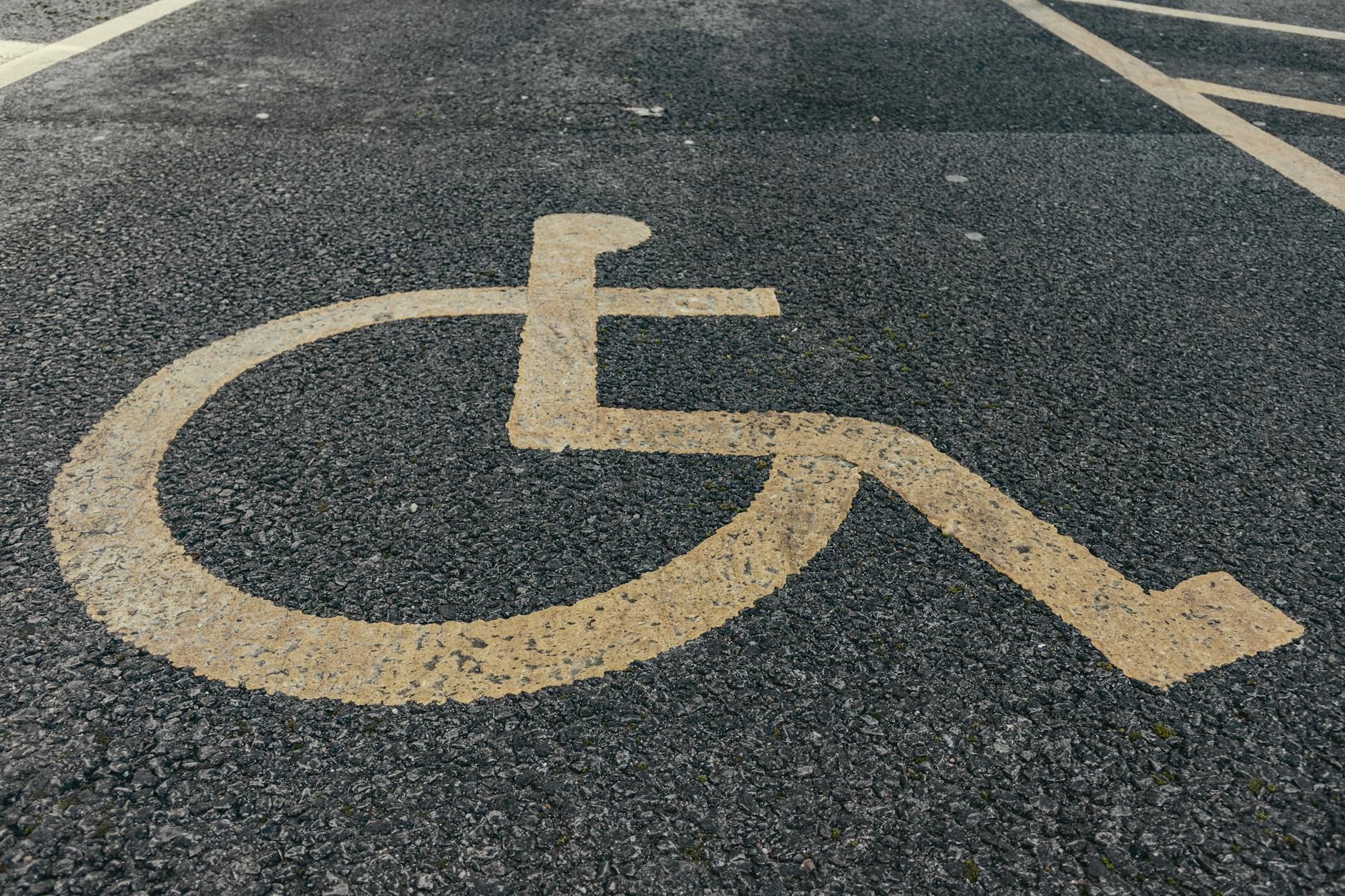
- ♿ Physical Accessibility — Ramps, elevators, adapted restrooms, PMR parking, obstacle-free paths. ALWAYS check with the venue—’accessible’ labels can mean very different things.
- 👁️ Sensory Accessibility — Hearing loops for the hard of hearing, large print for the visually impaired, sufficient visual contrast on materials. LSF interpretation on request.
- 🧠 Cognitive Accessibility — Clear instructions, avoid information overload, allow enough processing time, provide quiet spaces (neurodiversity, anxiety, autism).
- 🌍 Linguistic Accessibility — For international teams: real-time subtitles, simultaneous translation, multilingual materials.
Venue Accessibility Checklist
| Category | Questions to Ask the Venue | What to Check On-Site |
|---|---|---|
| External Access | Ramp from the street? PMR parking within 50m? | Slope ≤ 4%, width ≥ 90cm |
| Internal Circulation | Elevator to all rooms? Corridor width? | ≥ 80cm, no steps |
| Meeting Rooms | Wheelchair turning space? Height-adjustable tables? | ⌀ 150cm minimum |
| Restrooms | PMR toilets on each used floor? Door ≥ 80cm? | Support bar, lateral space |
| Catering | Wheelchair-accessible tables? Menus in large print? | Counter height 72-80cm |
Beyond Visible Disabilities: Cognitive and Sensory Inclusion
- 🧠 Neurodiversity at Corporate Retreats — 10–15% of participants may have a neurodivergent profile (ADHD, autism, dyslexia, learning differences). Practical steps: send the agenda in advance, avoid last-minute changes, offer varied seating options.
- 👂 Hearing Impairment — 1 in 6 people has hearing loss. A well-equipped room, microphones for all speakers, and automatic subtitles (Teams, Zoom, Otter.ai) make a significant difference.
- 😰 Anxiety and Mental Health — Provide a quiet rest area, communicate the agenda clearly, avoid unannounced surprise formats.
- 🍽️ Dietary Requirements — Vegan, vegetarian, halal, kosher, allergies—collect information 3–4 weeks ahead. This is an often-overlooked aspect of inclusion.
❓ Frequently Asked Questions
Is an ‘accessible’ venue always suitable for all types of disabilities?
No—the ERP accessible label covers only the minimum legal requirements, which are often not enough. Always visit the venue or request photos/videos of all used spaces, specifying the exact nature of the disability concerned.
How can you gather accessibility needs without stigmatizing participants?
Include an open question in the registration form: 'Do you have any specific needs to fully participate in this event?'—without a predefined list. This wording is inclusive and non-stigmatizing.
What are the legal obligations for accessibility at corporate events?
In France, ERP categories 1 to 4 must be accessible. For events in private venues, the law of February 11, 2005 applies to companies with 20+ employees. Exemptions exist but require justification.
Ready to organize your next retreat?
Discover how we can help you create memorable experiences for your teams.

Create lasting memories with your team in inspiring locations