







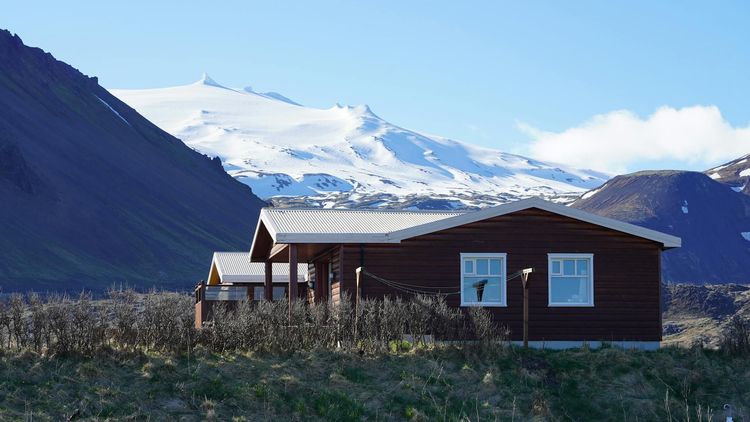
Secluded castles deep in the forest, mountain lodges, rural estates with no mobile signal—remote corporate retreat venues offer a true break from the everyday. But they also require a level of logistical planning that urban spaces don’t. Here are 8 critical points to anticipate so your escape remains a pleasure, not an organisational headache.
Ready to Create Unforgettable Team Experiences?
Discover how we can help you plan retreats that your teams will truly remember.
Transport and Accessibility: Key Steps Upfront
🚌 Golden Rule
For a remote venue, transport is not a detail—it's often the main source of stress for participants and the biggest risk for organisers.
Transport checklist for a remote location:
- 🚌 Group shuttles — Arrange transfers from the nearest train stations or airports. Don’t leave each participant to find their own way—the risk of cascading delays is too high.
- 🗺️ Detailed directions — Send precise GPS instructions with physical landmarks (the venue may not be correctly listed on Google Maps).
- ⛽ Fuel stations — Identify petrol stations along the route—some remote venues are 30 km from the last available fuel.
- 🚗 Parking and carpooling — If some participants drive, organise carpooling from a nearby city to simplify logistics.
Connectivity: Managing Lack of Network
At a remote venue, mobile coverage may be non-existent or very limited. This isn’t necessarily a problem—often, it’s the goal. But it does require specific preparation:
- 📶 Venue Wi-Fi — Check the quality and capacity of the Wi-Fi before confirming your booking. For 30 people on video calls at once, what bandwidth is available?
- 📡 4G/5G backup device — Bring a backup device if some participants need to remain reachable for urgent work matters.
- 📵 Disconnection policy — If the retreat is intentionally unplugged, communicate this clearly in advance and set up an emergency procedure (such as a landline at the venue).
- 💻 Offline downloads — Ask participants to download all necessary documents before departure. A cloud file that’s inaccessible in the woods is an unnecessary stressor.
Catering and Suppliers: Last-Mile Logistics

⚠️ Critical Point
At a remote venue, suppliers (caterers, facilitators, AV technicians) often travel long distances. Always have a backup plan.
- 🍽️ Local caterer — Choose a caterer familiar with the venue and its access challenges. A Paris-based caterer three hours from a Normandy estate is risky.
- 🛒 Emergency supplies — Ask the venue to keep basic food stocks on hand: in case of unexpected weather, your group should never run out of essentials.
- ⏰ Advance deliveries — All deliveries (AV equipment, decor, participant gifts) should arrive the day before—never on the day itself at a remote venue.
- 🔧 On-site technicians — If your programme requires technical equipment, insist the technician is present from setup, not just at the start time.
Health, Safety, and Emergency Planning
Geographical isolation requires extra attention to safety:
- 🏥 Nearest hospital — Identify the closest emergency room, doctor, and pharmacy. Share the address with all participants.
- 🧰 First aid kit — Ensure the venue has a complete kit. Ideally, appoint a participant with first aid knowledge.
- 🌩️ Weather plan — For outdoor activities: what’s the backup plan in case of storms, snow, or extreme heat?
- 📞 24/7 emergency contact — Appoint an organiser as a permanent contact, reachable at all times during the corporate retreat.
Explore our selection of remote venues for offsites that include these safety features in their offerings.
❓ Frequently Asked Questions
How can you check the real quality of a remote venue before booking?
Request a site visit or, if that's not possible, a video call with the venue manager to review each logistics point. Ask for references from companies who have organised similar corporate retreats.
What extra logistics costs should you expect for a remote venue?
Expect 15–30% higher costs compared to an equivalent urban venue, mainly for transport (shuttles), supplier deliveries, and setup times.
How do you manage participants who need to stay professionally reachable?
Provide a dedicated space with reliable connectivity (4G device or the room with the best signal). Set specific time slots for 'work availability' so these participants can handle urgent matters without disrupting the group.
Ready to Create Unforgettable Team Experiences?
Discover how we can help you plan retreats that your teams will truly remember.
Ready to organize your next retreat?
Discover how we can help you create memorable experiences for your teams.

Create lasting memories with your team in inspiring locations