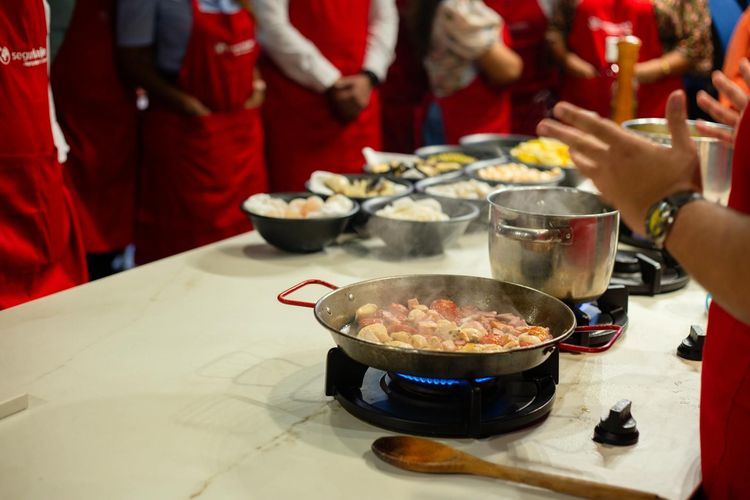

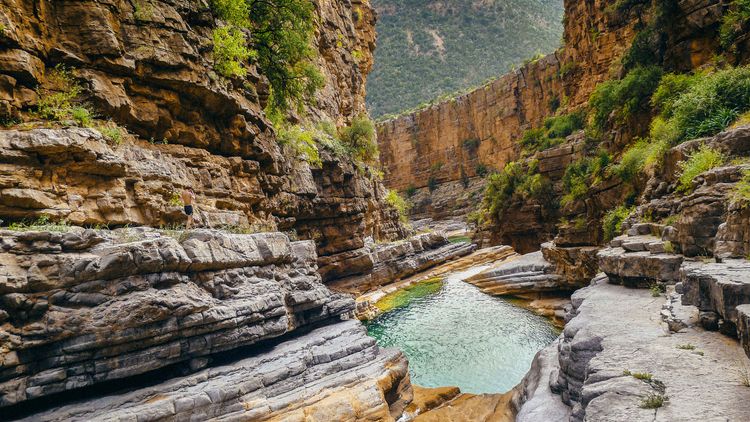
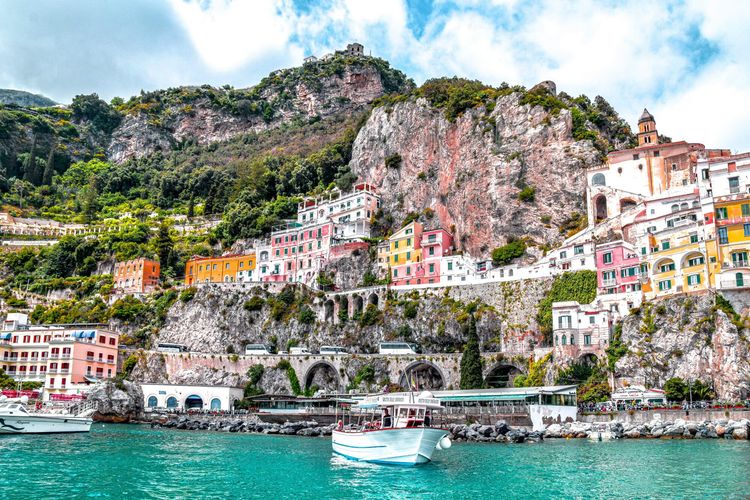





The 100% remote model offers unmatched freedom—but it also brings a silent risk: cultural dilution. When colleagues never meet in person, connections weaken, engagement drops, and collective identity fades. For fully distributed startups and scale-ups, the annual corporate retreat has become much more than a festive event: it is the cornerstone of company culture. Here’s why—and how to make it a success.
Ready to Create Unforgettable Team Experiences?
Discover how we can help you plan retreats that your teams will truly remember.
The Remote Startup Paradox: Freedom vs. Cohesion
📊 Key Statistic
According to a Buffer study (2024), 23% of fully remote workers cite loneliness as their main challenge, ahead of communication (20%) and disconnection (18%).
The promise of full remote is appealing: global talent, no commute, maximum flexibility. But this setup creates real blind spots:
- 🌍 Dispersed teams — Paris, Berlin, Nairobi, Buenos Aires—time zones fragment real-time communication.
- 🔇 Distant connections — Without face-to-face meetings, relationships remain functional but shallow. Trust builds more slowly.
- 🎯 Abstract culture — Company values remain PowerPoint slides if never experienced together.
- 📉 Silent turnover — Remote employees are more likely to leave when they don’t feel a strong sense of belonging.
The annual corporate retreat is the structured answer to these four challenges. It’s the moment when the company exists physically, when faces finally match Slack avatars.
What a Remote Annual Corporate Retreat Must Achieve
Unlike hybrid companies that meet regularly, remote startups have only one or two chances a year to bring everyone together. This corporate retreat must therefore pack a full agenda—without sacrificing human quality for operational density.
Recommended duration: 3 to 5 daysParticipants: Entire team: ideally 15-80Frequency: 1 to 2 times/yearAverage budget: €250-500/person/day
The 5 non-negotiable objectives:
- ✅ Strengthen interpersonal trust — no work meeting without first building human connections.
- ✅ Align on vision and strategy — everyone should leave with the same compass.
- ✅ Celebrate achievements — collective victories deserve to be celebrated in person.
- ✅ Create lasting memories — a memorable experience will still be talked about in Slack threads six months later.
- ✅ Kick off next cycle priorities — the retreat is the ideal kick-off for the coming semester.
Typical Structure of a 4-Day Remote Corporate Retreat

Here’s a proven agenda for a 100% remote startup of 30 people:
| Day | Morning | Afternoon | Evening |
|---|---|---|---|
| D1 | Arrivals, informal icebreakers | Outdoor team building activity | Festive welcome dinner 🎉 |
| D2 | Vision & strategy — CEO | Team workshops (product, growth, ops) | Free evening, spontaneous moments |
| D3 | Collective retrospective | Cross-team workshops, key decisions | Gala night / celebration |
| D4 | Next quarter roadmap by department | OKR session, conclusions, next steps | Gradual departures 👋 |
The golden rule: no more than 60% “work” time, with the rest dedicated to informal socializing. The strongest bonds are built around the table, not in a meeting room.
Where to Go? Criteria for Choosing the Ideal Venue
Venue choice is strategic: it must be accessible to all participants (direct flights from the main capitals where your team is based), inspiring (getting out of the usual office is a must—an exceptional setting maximizes lasting impact), and all-in-one (on-site accommodation, dining, and workspaces simplify logistics).
- 🌊 Seaside destinations — Barcelona, Lisbon, Ibiza, Dubrovnik—easy access from across Europe, stimulating environment.
- 🏔️ Mountains & nature — Alps, Pyrenees, Carpathians—disconnect, outdoor activities, fresh air.
- 🏙️ European capitals — Berlin, Amsterdam, Lisbon—culture, accessibility, wide hotel options.
- 🌴 Destinations outside Europe — Marrakech, Dubai, Bali (for global teams)—maximum lasting impact.
To compare top destinations and find the perfect venue for your next corporate retreat, check out our guide to corporate retreats in Barcelona or explore our turnkey offsite & retreat programs.
❓ Frequently Asked Questions
How often should a remote startup organize a corporate retreat?
At least once a year (main 4–5 day retreat). Ideally twice: one major annual retreat plus a 2-day mini-offsite per team each quarter.
What budget should you plan for a remote startup retreat?
Plan for €250–500 per person per day all-inclusive (accommodation, meals, activities, transport). A 4-day retreat for 30 people typically costs €40,000–60,000.
How do you include participants in very distant time zones?
Plan staggered arrivals and factor in time differences when scheduling. Avoid key sessions before 10am or after 6pm (local time). For highly distributed teams, 2–3 synchronized regional hubs can replace the main annual gathering every other year.
Ready to Create Unforgettable Team Experiences?
Discover how we can help you plan retreats that your teams will truly remember.
Ready to organize your next retreat?
Discover how we can help you create memorable experiences for your teams.

Create lasting memories with your team in inspiring locations